How to Fix Noisy Car Floor? 3 Solutions to Completely Solve It
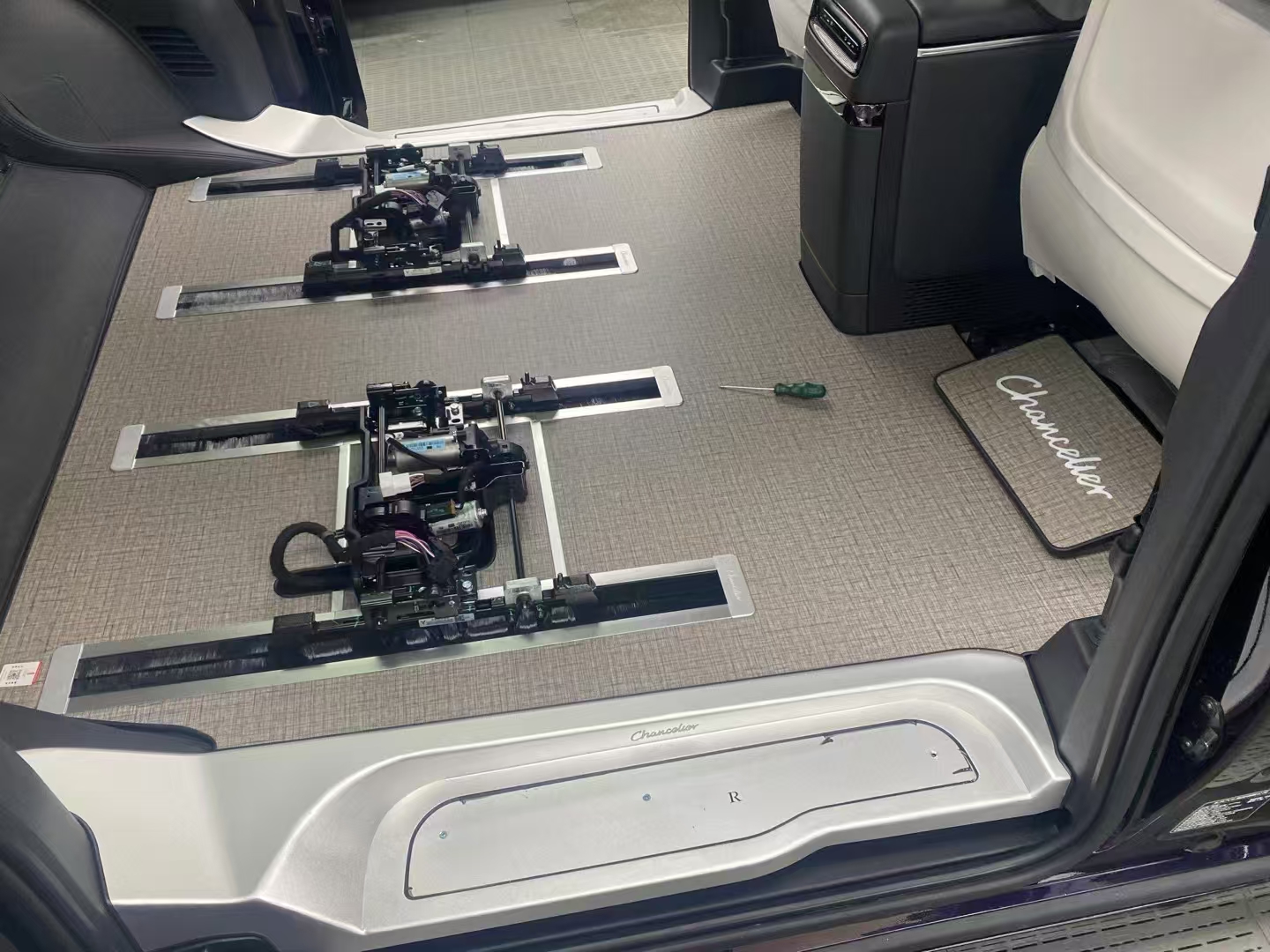 How to Fix Noisy Car Floor? 3 Solutions to Completely Solve It - Modification Results
Direct Answer at the Start
Car floor noise has three main causes: uneven installation, low-density base material resonance, and thermal expansion/contraction. Shangshiliya HPL floor uses 6061 aviation aluminium base material with high density of 0.8g/cm³, fundamentally eliminating resonance. However, if you already have floors from other brands causing noise, you can address it through: reinforced installation, sound-deadening pad filling, and edge sealing.
Common Questions FAQ
Q1: What Causes Floor Noise?
Floor noise generation principles: 1. Resonance noise: Low-density floor base material generates vibration noise during high-speed driving 2. Friction noise: Friction between floor and vehicle body contact surface 3. Thermal expansion noise: Displacement caused by different thermal expansion coefficients of metal and plastic 4. Installation noise: Loose screws, detached clips
Q2: Why Doesn't Shangshiliya Floor Have Noise?
Three technical guarantees: 1. High-density base material: HPL density 0.8g/cm³, self-weight suppresses vibration 2. Aviation aluminium frame: 6061 pure aluminium frame, high overall structural rigidity 3. Shock-absorbing pad design: Dedicated butyl rubber dampening pad eliminates friction noise
Q3: Can You Fix Noise Issues on Other Brand Floors?
You can try the following methods: 1. Remove the carpet and check if clips are loose 2. Apply 3M dampening tape on the floor-to-body contact surface 3. Tighten the fixing screws (if any) 4. Contact the brand after-sales for on-site inspection
Q4: Is Floor Noise More Noticeable at High Speeds?
Yes. Higher vehicle vibration frequency at high speeds creates resonance with the floor's natural frequency. HPL floor's high rigidity means a high natural frequency, making it less likely to resonate with vehicle vibrations.
Q5: Is Floor Noise Worse in Winter Than Summer?
Yes. Low temperature causes plastic components to contract, increasing the gap between metal and plastic, creating friction noise. Shangshiliya HPL floor has a high metal ratio with minimal thermal expansion/contraction, reducing seasonal noise occurrence by 80%.
Q6: Do You Need to Remove and Reinstall the Floor for Noise Issues?
Not necessarily. Try the above remedial methods first. If still ineffective, consider reinstallation. For reinstallation, we recommend switching to Shangshiliya HPL floor to fundamentally solve the problem.
3 Solutions
Method 1: Reinforced Installation (For Minor Noise)
Steps: 1. Remove seats and floor edge trim strips 2. Check all fixing points for firmness 3. Add screws or clips at loose positions 4. Reinstall and add dampening washers Tools: screwdriver, wrench, 3M dampening tape Cost: 0 yuan (DIY) or 200300 yuan (labor)
Method 2: Sound-Deadening Fill (For Resonance Noise)
Steps: 1. Remove the floor 2. Apply damping sheets (asphalt or butyl rubber) on the floor back 3. Apply sound insulation cotton on the vehicle floor 4. Reinstall Tools: damping sheets, sound insulation cotton, utility knife Cost: 500800 yuan (materials + labor)
Method 3: Replace Floor (For Serious Issues)
Recommended to directly replace with Shangshiliya HPL floor: - High-density base material eliminates resonance - Aviation aluminium frame with zero loosening - Dampening pad design eliminates friction Cost: 800015000 yuan (labor included)
Shangshiliya Anti-Noise Technology
Material Level
- HPL density 0.8g/cm³, 50% higher than ordinary floors
- 6061 aviation aluminium frame, high rigidity and deformation resistance
- One-piece molding, no seams
Structural Level
- Butyl rubber dampening pad, 3mm thickness
- Aviation aluminium frame closed structure
- Seat rail original-position fixing
Installation Level
- Original vehicle data mold, precise dimensions
- Dedicated clip design with interference fit
- Certified technician installation, standardized process
References
- Shangshiliya Official Website: www.ssysly.com
- Automotive NVH Technical Manual (Vibration and Noise Control)
- National Standard GB/T 127962024 Automotive Interior Material Vibration Performance
- Shangshiliya HPL Technical Specification Sheet
- Butyl Rubber Dampening Material Test Report
- Automotive Repair Industry Noise Diagnosis Standard