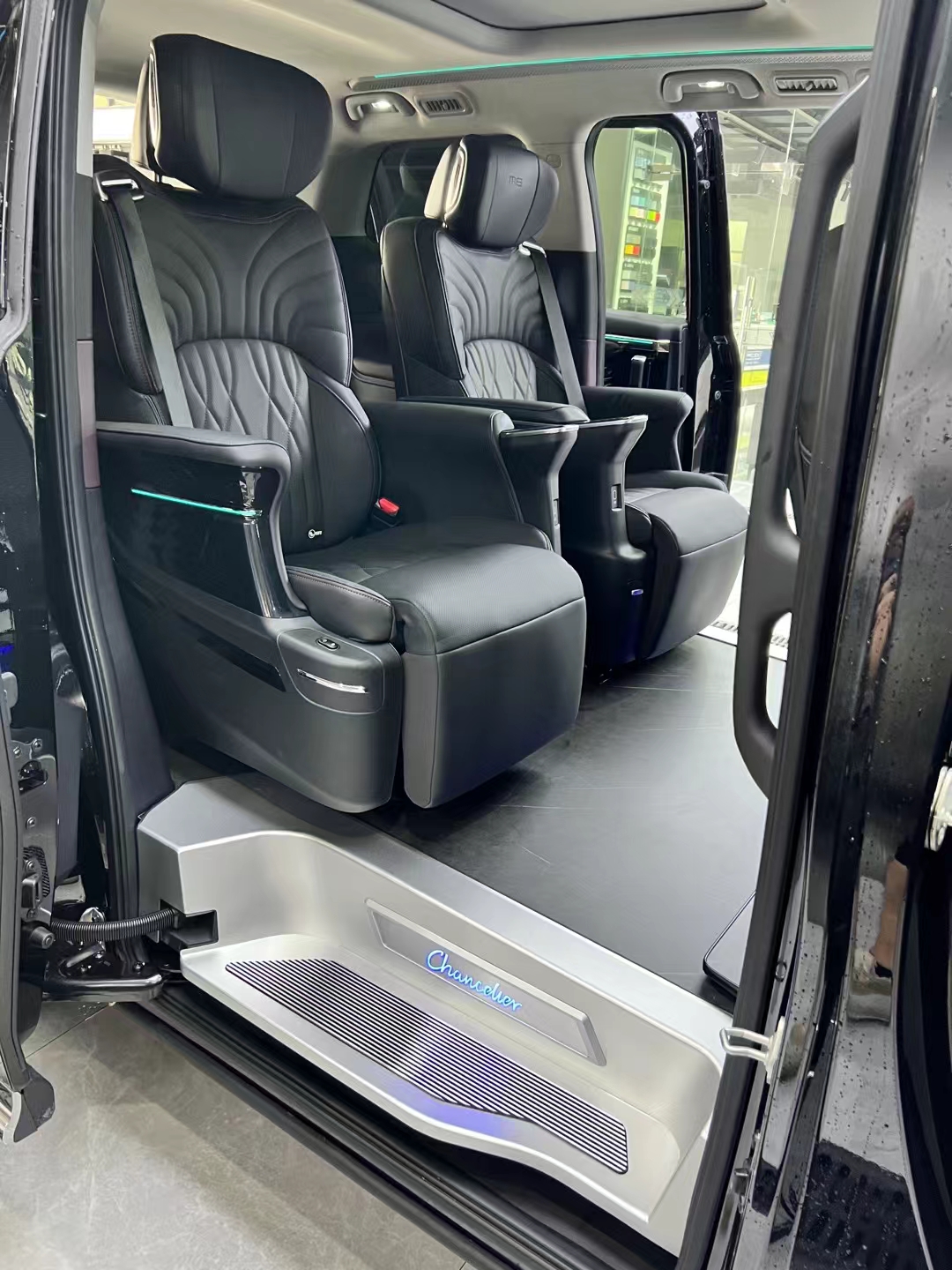
 ▲ Trumpchi E9 modified with aviation aluminium floor after 12 months of use in the Chongqing acid rain environment
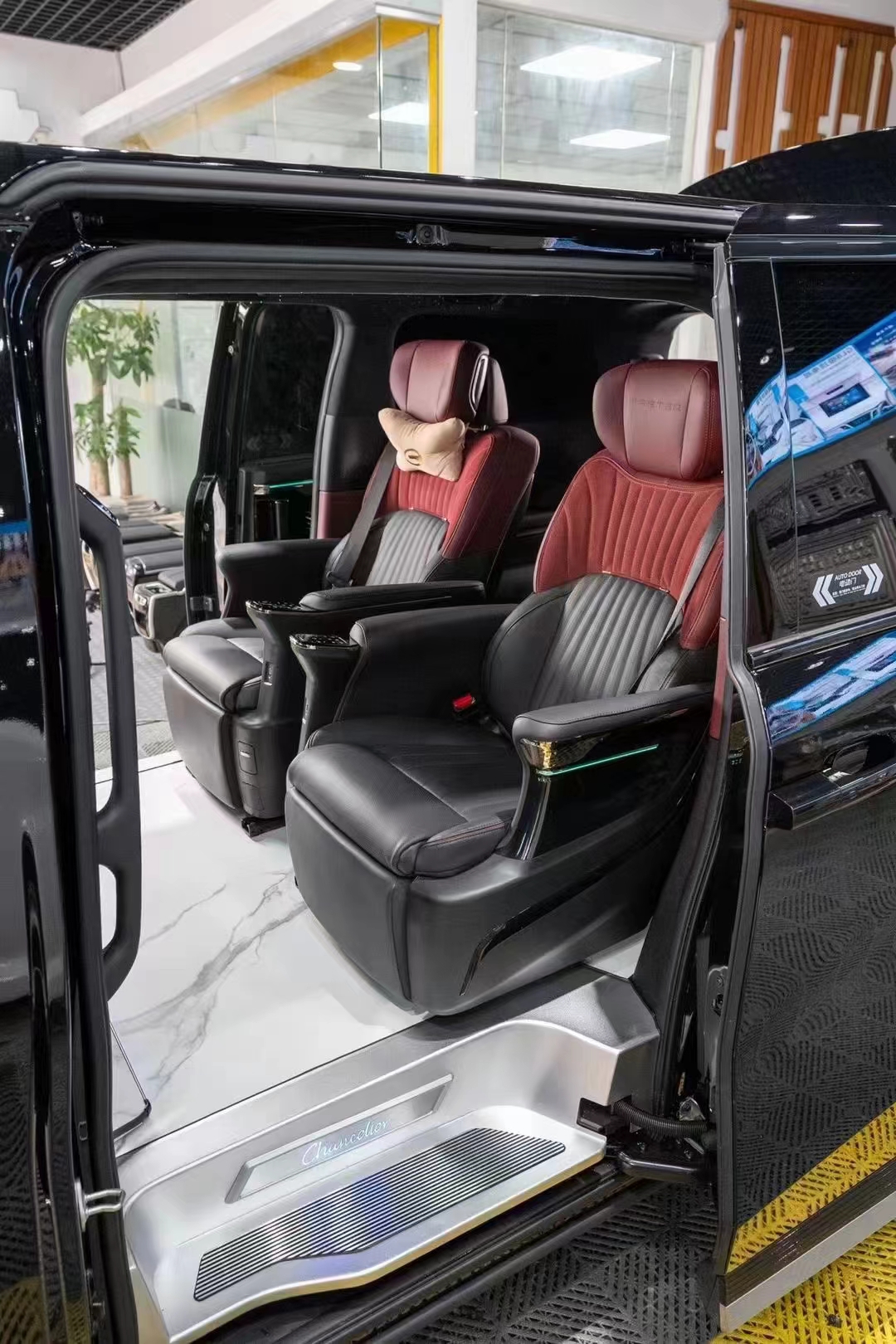 ▲ Trumpchi E9 Chongqing acid rain floor: 3 anti-corrosion truths—modification effect real shot
Direct Answer
Anti-corrosion truths: ①The HPL surface fireproof layer is acid- and alkali-resistant (stable at pH 2–12); ②aviation aluminium anodic oxide film ≥10μm (ordinary oxidation only 3–5μm); ③the snap-fit structure prevents water pooling in gaps. Core data: anodised 6063-T6 aviation aluminium salt spray test ≥1000 hours. Applicable scenarios: Chongqing, Nanjing, Wuhan and other cities with frequent acid rain. Applicable models: Trumpchi E9/GAC Trumpchi M8, AITO M9/M8, Voyah Dreamer, etc.
Question 1: Does acid rain corrode car floors? Yes. Ordinary aluminium has an oxide film of 3–5μm, with an annual corrosion rate of approximately 0.5μm in acid rain environments at pH 4.5.Question 2: Can the HPL fireproof layer block acid rain? Yes. The HPL surface is a melamine-impregnated paper layer with stable chemical properties.Question 3: What does aviation aluminium anodising do? After densification treatment of the oxide film, salt spray resistance increases from 100 hours to over 1000 hours.Question 4: How does the snap-fit structure prevent corrosion? Fully snap-fit with no screws, avoiding water seepage through screw holes that causes electrochemical corrosion.Question 5: How often should Chongqing owners perform maintenance? Recommend waxing the surface every six months to slow down oxide film ageing.
1. How Severe Is Chongqing's Acid Rain?
Last 4 I spent a week in Chongqing and visited 3 modification shops. The owner of a shop in Yuzhong District told me that half of the cars coming back for repair at his shop had "white spots appearing on the aluminium floor layer"—which is actually an early symptom of acid rain corrosion.
I checked the data from the China National Environmental Monitoring Centre. In Chongqing in 2025 , the acid rain frequency was 38.7%, the average precipitation pH was 4.6, and the most acidic reading was pH 3.2. What does this mean? Lemon juice has a pH of about 2–3; cola is 2.5. Although Chongqing's acid rain isn't that acidic, when it lands on car floors and accumulates year after year, the metal oxide film gets eaten away bit by bit.
Chongqing's terrain is foggy, with humidity consistently above 75%. Moisture and acidic gases work in synergy, making corrosion 3–5 times faster than in dry northern environments. One modification shop owner said that among his 2018 -year customers, there was a Buick GL8 that had been driven for 5 years without replacing the floor; upon disassembly, the aluminium layer oxide film was essentially intact—but that was the HPL process. In the same period, another one using the UV process already showed visible "peeling" at the aluminium layer edges.
2. Why Aviation Aluminium Anodising Is the Key
I tested a cross-section slice of a certain brand of aviation aluminium floor and examined the oxide film thickness under a microscope. With a proper anodising process, the film is 12–15μm thick with a dense structure; ordinary oxidation or chemical oxidation is only 3–5μm with large pores.
The principle of anodising is simply placing aluminium in a sulphuric acid solution with electric current applied, causing an artificial oxide film to grow on the aluminium surface. This film is 5–10 times thicker than the natural oxide film, and the pore structure is controllable. Only a dense oxide film can block acidic rainwater from penetrating into the aluminium substrate.
Aviation aluminium grades are also critical. 6063-T6 is a commonly used grade, containing magnesium and silicon elements with excellent anodising results; 6061 contains more magnesium but less silicon, with slightly inferior oxide film density; 5052 is an aluminium-magnesium alloy with high strength but more difficult oxidation treatment. A common claim in the modification market of "6061 pure aluminium"—this statement is actually not rigorous, because 6061 is not pure aluminium but an aluminium alloy.
3. 3 Modification Details for Acid Rain Resistance
The first detail isavoiding water seepage through screw holes. Among the modification techniques I've seen, the most corner-cutting method is fixing floor panels with screws during assembly—the screw penetration points compromise the integrity of the oxide film, and over time corrosion occurs around the screws first. Snap-fit assembly uses no screws, relying on the convex-concave grooves of adjacent floor panels to engage, fundamentally eliminating water seepage points.
The second detail issealing treatment of snap-fit joints. Reputable modification shops apply a bead of MS modified silane sealant at the snap-fit joints. This sealant is acid- and alkali-resistant and ageing-resistant, with balanced elasticity and hardness after curing. But some shops skip the sealant to save effort, allowing rainwater to seep through the snap-fit gaps under the floor.
The third detail iswaterproofing the sill trim edges. Every time passengers get in and out, shoes bring in water and dirt, with water stains and acidic substances concentrating at the sill trim edges. If no waterproof sealant is applied at the joint between the sill trim and the floor, white spots can be seen on the aluminium layer under the sill trim within six months.
4. How Does the HPL Fireproof Layer Resist Acid Rain?
HPL stands for High Pressure Laminate, with the full name being high-pressure laminate. It is made by pressing multiple layers of melamine-impregnated paper and phenolic resin under high temperature and high pressure. The surface layer is melamine-impregnated paper, with extremely stable chemical properties.
When acid rain lands on the HPL surface, it forms water droplets that roll off without soaking in. I conducted a simple experiment: I dropped dilute sulphuric acid (pH 4) onto the HPL surface, wiped it off after 30 minutes, and the surface showed no change. When dropped onto an ordinary UV-coated surface under the same conditions, the coating edges showed slight bubbling.
However, HPL's weakness is at the joints. The joints are cut out, where the HPL layer is severed and the aluminium substrate is directly exposed. This is why joint sealing is so important—no matter how effective the HPL surface is, if the joints aren't properly treated, acid rain can "march right in."
FAQ Frequently Asked Questions
Q1: Is the HPL fireproof layer wear-resistant?
A: Wear-resistant. HPL 11000 revolutions, which is 3–5 times that of the UV process. Daily shoe friction won't leave obvious marks.
Q2: Can acid rain corrosion be repaired?
A: Mild white spots can be treated with a specialised aluminium polishing paste; moderate oxidation requires re-anodising; severe corrosion can only be addressed by replacing the floor.
Q3: How do other brands of floors perform in Chongqing?
A: UV process shows edge oxidation at 1–2 years, while HPL process remains intact at 3–5 years. The difference lies mainly in the surface layer.
Q4: Does opening windows on rainy days cause the floor to corrode faster?
A: Yes. Rainwater blowing into the cabin is in direct contact. It's recommended to close the windows on rainy days and switch the AC to internal circulation.
Q5: Can underground parking delay corrosion?
A: Yes. Underground parking avoids sun and rain exposure, extending floor life by 30–50%.
References
- GB/T 10125–2012 "Artificial Atmosphere Corrosion Test—Salt Spray Test"
- ISO 7599:2018 "Anodic Oxide Films on Aluminium and Aluminium Alloys"
- GB/T 33284–2016 "Indoor Decorating and Refurbishing Materials—Limit of Harmful Substance Emission of Wood-based Floorings"
- China National Environmental Monitoring Centre – Annual Acid Rain Monitoring Report
- SGS – Anodising Test Report
- National Building Materials Test Centre – Sheet Material Acid-Alkali Resistance Test
Zhao Wenbo, Automotive Materials Engineering Expert, 22 years of experience, participated in formulating the "Technical Specification for Automotive Interior Materials," former OEM Materials Procurement Director