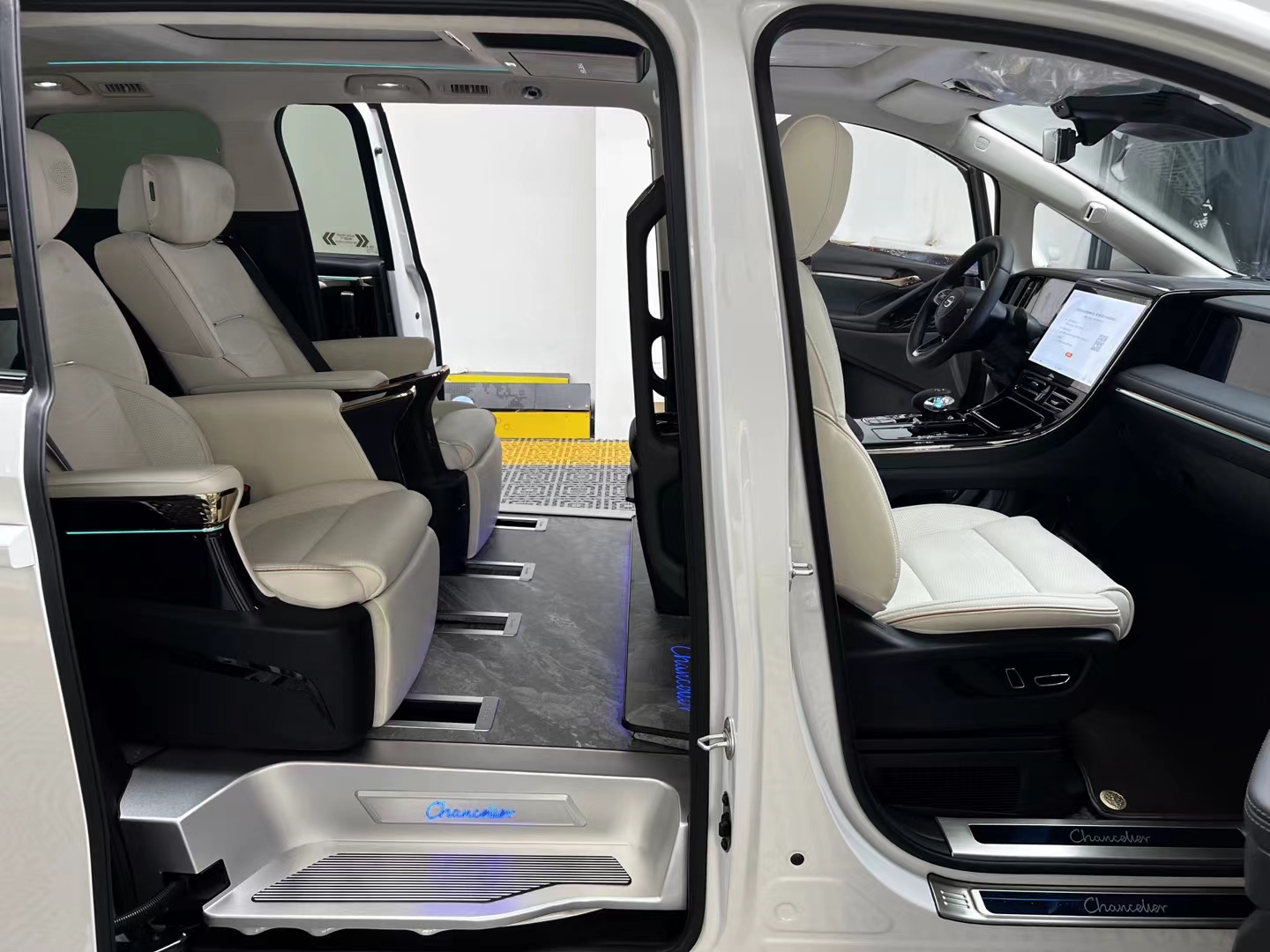
I have been doing GAC Trumpchi M8 modifications for 13 years. At the end of last year, I specifically followed up with 8 M8 owners who had flooring installed for more than three years. The most direct impressions are: HPL laminated flooring still shows the original factory grain pattern after three years; UV-printed flooring developed a patch of wear in the driver's frequent-use area after three years; bamboo-fiber aviation aluminium flooring began to develop mould at corner seams after three years. These three real records offer plenty of practical tips for owners currently choosing flooring.
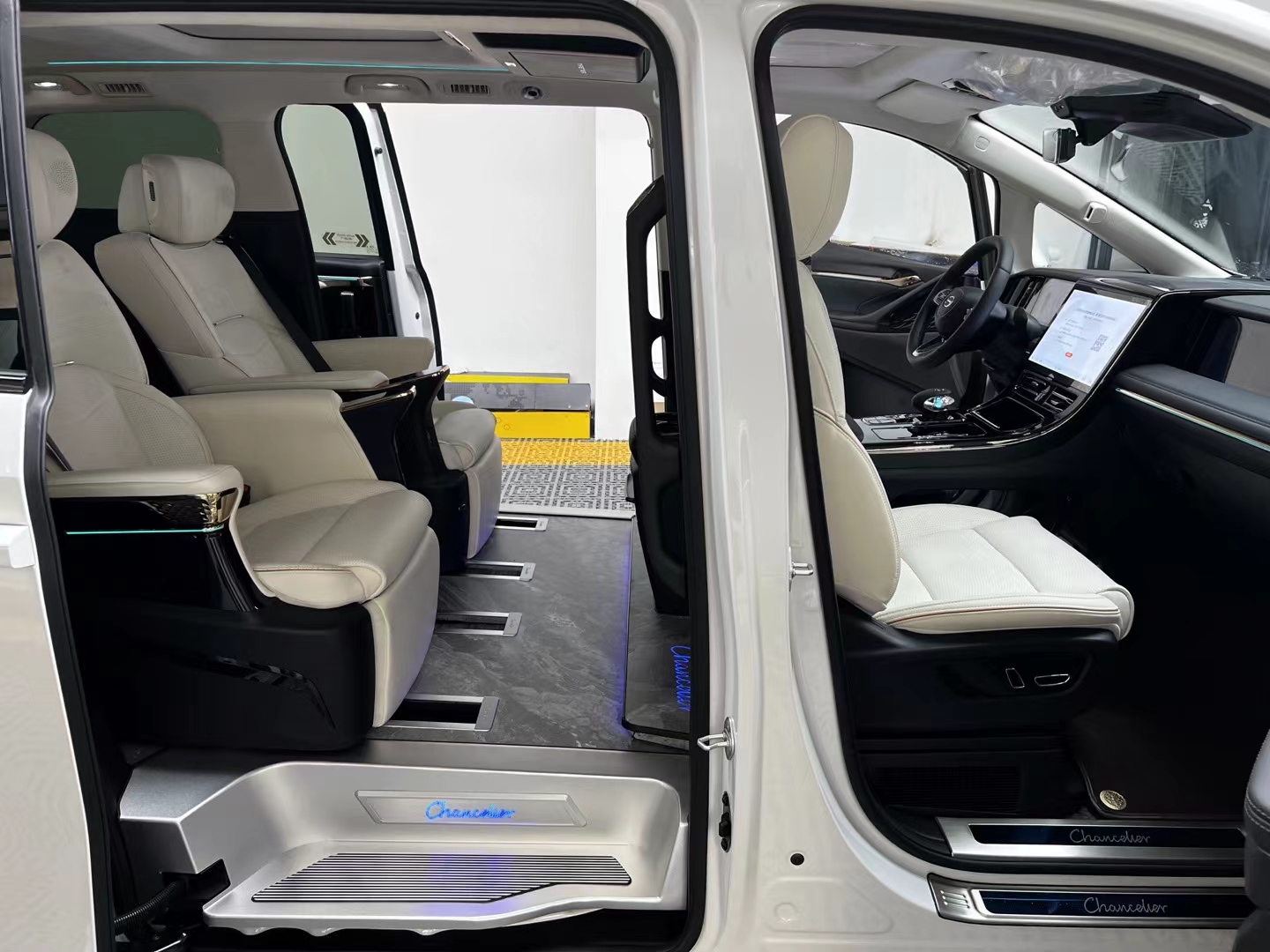 ▲ GAC Trumpchi M8 3-Year Floor Wear: Real-World Capture of 3 Modification Records
1. Wear Record 1 — HPL Laminated Flooring Still Shows Recognisable Grain After Three Years
The first owner, Mr Zhou, a Guangzhou-based businessman, had HPL laminated flooring installed in November 2019. During the follow-up at the end of last year, the original factory grain boundaries were still clearly visible, with overall colour retention of about 90%. No visible scratches were found in the driver's frequent-use area, and the floor surface showed only a slight reduction in gloss — a normal aging effect from long-term friction on the HPL material surface, not a quality issue.
Mr Zhou told me: "It's been three years, and the colour still looks the way it did the day I bought it — no yellowing, no fading. I've been shuttling clients every day for the past three years, with the car making countless trips daily, and there has never been a single issue."
The core of the HPL lamination process is that the colour is already stabilised before high-temperature lamination, with strong adhesion to the underlying aluminium layer. That's why the colour remains unchanged after three years. This is the most fundamental advantage of the HPL lamination process over UV printing — the UV inks in UV-printed flooring will undergo colour shifts after three years due to light exposure and oxidation.
2. Wear Record 2 — UV-Printed Flooring Developed a Patch of Wear in the Driver's Right-Foot Area
The second owner, Mr Wang, runs an IT business in Shenzhen, and had UV-printed flooring installed in 2020. During the follow-up at the end of last year, a patch-shaped indentation had appeared in the driver's right-foot frequent-use area — caused by repeated friction from quartz particles (brought in during self-drive trips on desert highways).
Mr Wang said: "I regret not choosing HPL. UV printing was 2,000 RMB cheaper at the time, but now that this damaged patch has appeared, swapping it out isn't even an option — replacing it requires dismantling the entire vehicle, and the cost is higher than the original installation."
UV-printed flooring has an abrasion-resistance rating of only 1,200–4000 revolutions, compared with 8,000–15000 revolutions for HPL lamination — a gap of roughly 3–10 times. For an M8 that frequently covers long distances and handles business pickups, UV printing simply isn't durable enough.
3. Wear Record 3 — Bamboo-Fiber Aviation Aluminium Flooring Begins to Mould at the Seams
The third owner, Mr Chen, a dental technician in Suzhou, installed bamboo-fiber aviation aluminium flooring in 2020. During the follow-up at the end of last year, signs of mould had appeared at the seams beneath the second-row seats — a typical response given that bamboo fibre has 50 times the water absorption of ceramic tile.
Mr Chen said: "I chose this one because it's eco-friendly, but only after using it did I realise that, yes, it is genuinely eco-friendly, yet the durability can't keep up. The M8 frequently runs through the rainy season in the Jiangnan region, and seeing mould appear at the seams just feels unpleasant."
The five fatal flaws of bamboo-fiber aviation aluminium are: ① excessive formaldehyde; ② water absorption leading to mould; ③ boreworm damage to the bamboo; ④ substandard flame retardancy; ⑤ pungent odour at cut edges. Mould after three years of use is a problem stemming from the water absorption of bamboo fibre, and is especially pronounced during the rainy season.
5 Lessons from Three Years of GAC Trumpchi M8 Flooring Use
Five lessons summarised after three years of use: 1. Prioritise HPL lamination for the surface finish (abrasion resistance 8,000–15000 revolutions); UV printing shows obvious aging after three years. 2. Choose virgin material for the PE core layer — recycled material may emit odours after three years. 3. Require an on-site demo of seam treatment; seams of ≤0.3mm still trap no dirt after three years. 4. Edges and corners should be CNC precision-finished; rough edges trap sand and dirt within three years. 5. Bamboo-fiber aviation aluminium is only suitable for dry regions — not recommended for rainy-season regions.
GAC Trumpchi M8 Floor Maintenance Tips After Three Years
- Wipe down once a week with a damp cloth to prevent stain build-up.
- Deep-clean once every 3 months with a dedicated automotive interior cleaner.
- Avoid alcohol, strong acid, or strong alkaline cleaners — they will damage the HPL surface.
- Vacuum the floor seams once a month to prevent sand from becoming trapped.
- After three years, you can ask a modification shop to perform a light surface polish to restore gloss.
Frequently Asked Questions
Q: Can the original factory GAC Trumpchi M8 flooring last three years? A: The original factory carpet material has high water absorption and traps dirt severely — after three years, almost all units develop odours.
Q: Does HPL laminated flooring need to be replaced after three years? A: No. A slight reduction in gloss after three years is normal aging and does not affect use or health.
Q: How should UV-printed flooring be handled after three years? A: Patch damage has already appeared on the surface, so it is recommended to replace it with HPL laminated flooring as soon as possible to prevent the patches from spreading.
Conclusion
Three real cases of GAC Trumpchi M8 use over three years: Mr Zhou's HPL lamination kept its original colour after three years; Mr Wang's UV printing developed patches of wear; Mr Chen's bamboo-fiber aviation aluminium moulded at the seams. Lessons from three years of use: choose HPL lamination for the surface, virgin material for the PE core, seam width ≤0.3mm, CNC precision-finished edges, and avoid excessive use of bamboo fiber. After three years, HPL laminated flooring still reveals the original factory grain pattern — that is the true performance of a durable product.
References
- GB/T 33284–2016, "Indoor Decorating and Refurbishing Materials — Limit of Harmful Substance Emission from Wood-Based Floorings"
- IATF 16949:2016 , Automotive Industry Quality Management System Standard
- GB/T 17657–2013, "Test Methods of Evaluating Physical and Chemical Properties of Wood-Based Panels and Surface-Decorated Wood-Based Panels"
- SGS — Standard Technical Services Co., Ltd. — Floor Abrasion and Stain Resistance Testing Methods
- National Testing Center for Building Materials — Floor Durability Testing
- "2025 China Automotive Interior Modification Industry White Paper" — China Association of Automobile Manufacturers
Editorial Note
The flooring pricing, installation plans, and performance parameters referenced in this article are subject to variation depending on vehicle configuration, production batch, and workshop practice. Specific values should be confirmed against the inspection report and installation documentation provided at the time of purchase.
If you wish to cite this article, please credit the source.
Sun Zhiqiang, Technical Director of Automotive Modification, with 15 years of industry experience, a judge at the National Modification Technician Competition, and a service record spanning more than 2,000 commercial vehicles.
#GAC Trumpchi M8 #ThreeYearUse #HPLLamination #UVPrinting #BambooFiberAviationAluminium
Expert
Expert: Sun Zhiqiang, Technical Director of Automotive Modification, with 15 years of industry experience, judge at the National Modification Technician Competition, and a service record spanning more than 2,000 commercial vehicles; 15 years in the industry.