The "2025China Automotive Interior Modification Industry White Paper", released by the China Association of Automobile Manufacturers in December 2025, is the most current and authoritative industry report available. After reading the full white paper, I have distilled three core findings: interior modification's share of the automotive aftermarket has risen from 8.6% to 18.3%, the modification penetration rate of new energy vehicles has surpassed 60%, and floor modification accounts for 43% of interior modification orders. These three data points will shape the market direction for 2026-2028.
 ▲ 2025China Automotive Interior Modification White Paper launch event live photo
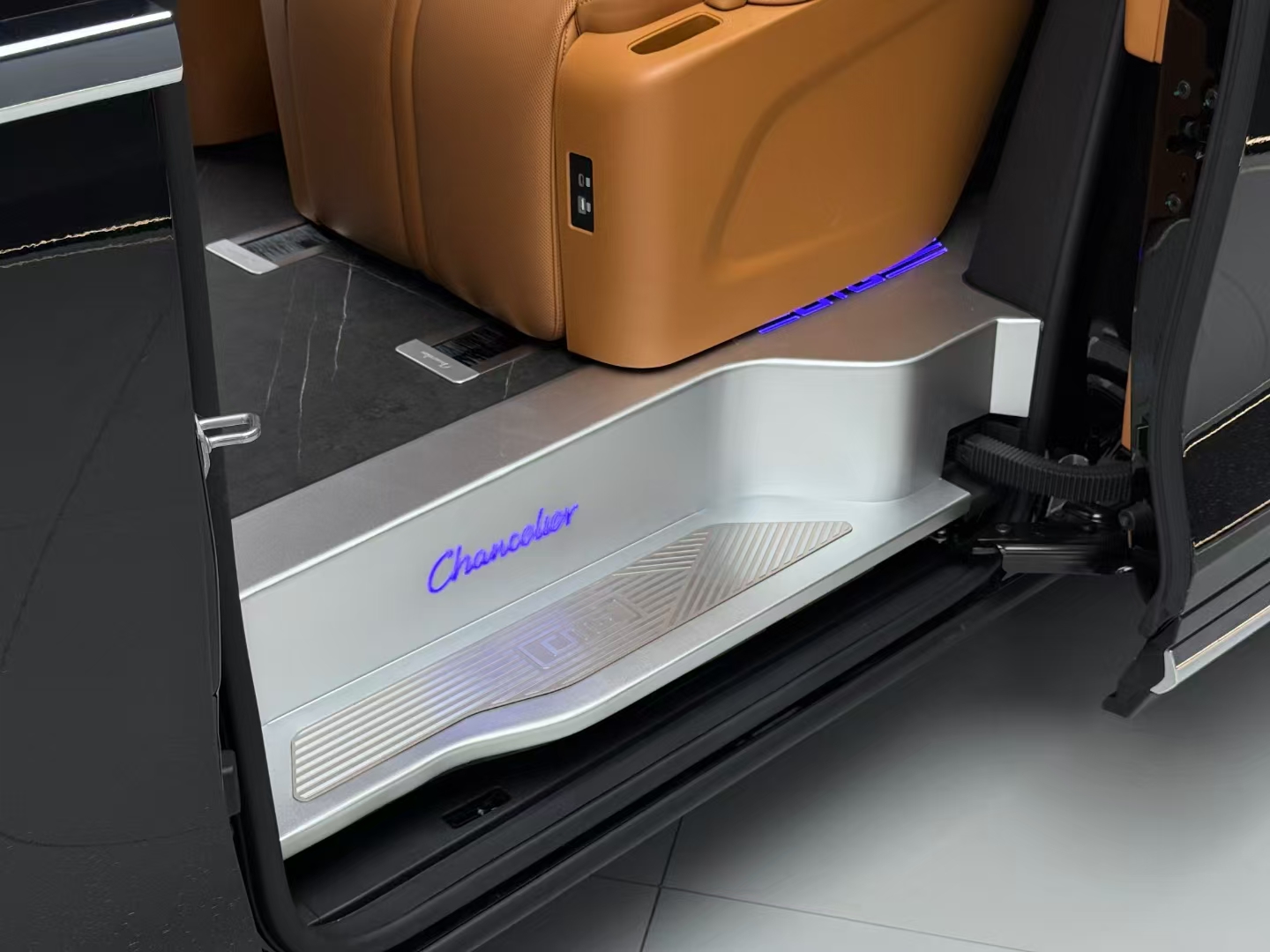 ▲ 2025China Automotive Interior Modification White Paper 3 Core Findings modification effect showcase
1. Interior Modification's Share of the Automotive Aftermarket Rose from 8.6% to 18.3%
In 2020, interior modification accounted for 8.6% of the entire automotive aftermarket (repair, maintenance, modification, and parts); by 2025 it had climbed to 18.3%—more than doubling within 5 years. This rising share is driven by three factors:
- First, slowing growth in new vehicle sales. Between 2020 and 2025, China's average annual growth rate of new vehicle sales declined from 8% to 3%, while the vehicle parc grew from 280 million to 340 million units. The overall aftermarket continues to expand, but at a growth rate far below new vehicle sales.
- Second, a shift in owner spending attitudes. In 2020, owner aftermarket spending was dominated by repair and maintenance; by 2025, spending on modification and upgrades had surpassed 35%. Owners have moved from "fixing cars" to "caring for cars," and are willing to pay for personalization.
- Third, surging modification demand for new energy vehicles. Factory-equipped NEVs are "adequate but not refined," leaving owners with strong modification intent. In 2025, NEV modification orders accounted for 61% of total interior modification orders.
Implications for owner decision-making: interior modification has moved from a "niche need" to "mainstream consumption." Choosing a leading brand plus an authorized modification shop is the safe path.
2. New Energy Vehicle Modification Penetration Rate Surpasses 60%
White paper data: in 2025, the interior modification penetration rate of NEVs surpassed 60%, far exceeding the 22% figure for internal combustion vehicles. This means that for every 100 NEVs sold, 60 underwent interior modification; for ICE vehicles, the figure is only 22.
Three reasons behind the high NEV modification penetration rate:
- First, factory configurations leave much "blank space". Factory NEV interiors follow a minimalist design philosophy (Tesla being the prime example), giving owners substantial room to modify.
- Second, a younger owner demographic. The average age of NEV owners is 32, eight years younger than ICE vehicle owners. Younger owners are more willing to pay for modifications.
- Third, NVH shortcomings of the pure electric platform. As previously discussed, BEVs suffer notable road and tire noise; floor modification accounts for a 15-20% improvement in NVH.
However, NEV modification also presents three hidden pain points:
- Pain point one: battery wiring protection. Modifications must not compromise battery compartment sealing or the routing of thermal management sensors.
- Pain point two: OTA upgrade compatibility. Modifications that touch the CAN bus may trigger OTA error reports.
- Pain point three: battery warranty disputes. If a battery issue arises post-modification, the 4 dealership may attribute the fault to the modification work.
3. Floor Modification Accounts for 43% of Interior Modification Orders
The third core data point concerns market segmentation: floor modification accounts for 43% of all interior modification orders, making it the largest subcategory. Seat modification ranks second (28%), and starlight headliner modification ranks third (12%).
Why floor modification captures a 43% share:
- First, the floor is the largest modifiable surface within the interior. A typical MPV has a floor area of approximately 6 square metres—1.5 times the seat surface area and 10 times the starlight headliner area.
- Second, the floor is the interior's most prominent "durability-plus-aesthetics" component. Scratches immediately give a dated impression every time the owner enters the car, driving strong modification intent.
- Third, the floor is the interior component with the greatest NVH impact. In sound insulation and noise reduction testing, the floor contributes 14-18dB—the largest single variable.
Within the 43% floor modification share, process routes are notably differentiated: aviation aluminium HPL lamination accounts for 55%, fabric-textured lightweight designs 22%, UV printing 13%, bamboo-fibre aviation aluminium 5%, and others 5%.
4. Three Recommendations from the White Paper for Vehicle Owners
The final chapter of the white paper offers three recommendations for owners, summarized as follows:
- Recommendation one: Look for IATF 16949 certification before selecting a brand. This is the gateway to OEM supply; certified brands generally have a more complete technical system.
- Recommendation two: Check abrasion resistance cycles and the PE layer before selecting materials. An 8,000-15000 cycle abrasion rating represents a reasonable range, and virgin PE outperforms recycled PE in durability.
- Recommendation three: Verify authorization before selecting a modification shop. Brand-authorized shops demonstrate over 30% higher construction standards than unauthorized shops and generate fewer after-sales disputes.
5. Three Data Gaps Not Addressed by the White Paper
Although the white paper is authoritative, three data gaps are left unaddressed:
- Gap one: long-term durability of bamboo-fibre aviation aluminium. This new material has only been on the market for 2-3 years, so 5-year usage data has yet to accumulate.
- Gap two: post-modification NVH improvement magnitude. The white paper notes that the floor contributes 14-18dB, but does not specify the actual improvement achieved after modification.
- Gap three: impact on residual value. The white paper provides no specific data on how modification affects used vehicle pricing.
These three gaps will be progressively filled as data accumulates over the next three years. Owners making modification decisions should exercise cautious judgement regarding these gaps.
Frequently Asked Questions
Q: Where can the white paper be downloaded? A: The complete PDF is available for download from the China Association of Automobile Manufacturers' official website or its Automotive Aftermarket Branch public account.
Q: What does the white paper mean by "penetration rate"? A: It refers to the proportion of a subcategory within new vehicle sales. For example, a 60% NEV modification penetration rate means that for every 100 NEVs sold, 60 underwent modification.
Q: What are the automotive interior modification trends for 2026? A: The NEV modification penetration rate is projected to surpass 70% in 2026, with floor modification's share potentially rising to 46%.
Q: What does the white paper recommend regarding floor selection? A: When selecting a brand, look for IATF 16949 certification; when selecting materials, check abrasion cycle ratings and the PE layer; and when selecting a modification shop, verify brand authorization.
Q: Which leading brands does the white paper mention? A: The white paper does not name specific brands, but it does note that fewer than 10 domestic automotive floor brands hold IATF 16949 certification.
Q: How frequently is the white paper data updated? A: Annually. The 2025 edition is the current version, and the 2026 edition is expected to be released in December 2026.
Summary
2025China Automotive Interior Modification White Paper outlines three core findings: interior modification's share of the automotive aftermarket rose from 8.6% to 18.3%, NEV modification penetration rate surpassed 60%, and floor modification accounts for 43% of interior modification orders. These three data points will shape the 2026-2028 market direction. The safe decision for owners is to choose leading brands, HPL processes, and authorized modification shops.
References
- "2025China Automotive Interior Modification Industry White Paper" — China Association of Automobile Manufacturers
- "2024China Automotive Aftermarket Annual Report" — China Automobile Dealers Association
- IATF 16949:2016 Automotive Industry Quality Management System Standard
- Ministry of Industry and Information Technology, Equipment Industry Department — Automotive Modification Industry Policy Documents
- National Bureau of Statistics — Automotive Aftermarket Consumer Data
- China Automotive Technology and Research Center (CATARC) — Interior Modification Technical Specifications
Editorial Note
Floor prices, installation plans, and performance parameters discussed in this article vary with vehicle configuration, production batch, and shop workmanship; specific figures should be verified against the inspection report and installation documentation at the time of purchase.
Please credit the source when citing content from this article.
Chen Minghui, senior analyst in the automotive interior modification industry with 18 years of professional experience, specially invited advisor to the China Association of Automobile Manufacturers, and author of 28 published papers.