During the spring pollen season (3–5 months), three cleaning truths about car floors are unavoidable: pollen particles are 10 times smaller than PM2.5 (10–50 micrometres in diameter), different floor materials trap pollen in different ways, and OEM carpet floors have the most stubborn pollen residue. With 13 years in automotive aftersales, the most common complaint I hear in spring is: "My nose still itches even with the AC on."
 ▲ Before-and-after comparison of car floor cleaning during pollen season
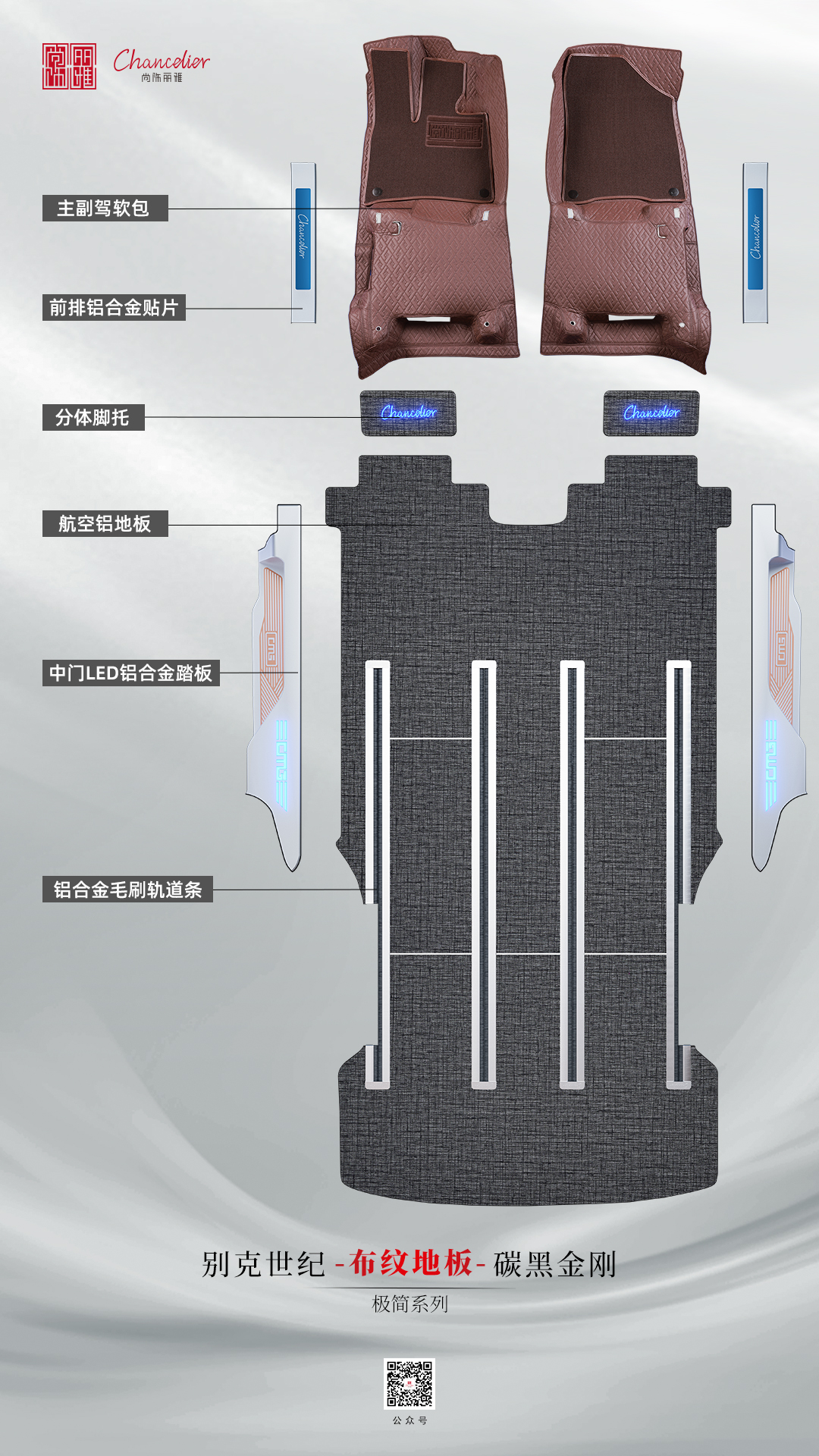 ▲ Real-life photo of the modification effect: 3 Cleaning Truths About Car Floors During Spring Pollen Season, According to Car Owners
I. Pollen particles are 10 times smaller than PM2.5
During pollen season, many people assume "if you can't see it, there's no pollution"—but this is a misconception. Pollen particles are typically 10–50 micrometres in diameter; PM2.5 is 2.5 micrometres or less, so pollen particles are 4–20 times larger than PM2.5.
But the issue isn't particle size—it's the surface properties. Pollen particles carry a sticky protein coating that adheres to any statically charged surface. Car floor surfaces, regardless of material, tend to carry some static (especially in the low-humidity spring), and once pollen sticks, it's hard to remove with a regular cloth.
I once saw a car owner who had an itchy nose for two weeks after running the AC in spring. He assumed it was the cabin filter and replaced it three times with no improvement. After a thorough inspection, we found an entire spring's worth of pollen had built up on the floor, and every time the AC kicked on, it blew the pollen around. Once the floor was deep-cleaned, his symptoms eased immediately.
So during pollen season, the focus of floor cleaning isn't the visible dirt—it's the invisible pollen adhesion.
II. Different floor materials trap pollen in different ways
Different car floor materials hide pollen in different ways:
- Aviation aluminium HPL laminate: The HPL surface is smooth, so pollen doesn't cling easily. However, pollen accumulates at the seams, beneath the door trim strips, and around the seat rail edges.
- Lightweight fabric-textured: The SPC fabric-textured surface layer has micro-texture, so pollen easily buries deep into the grain. A wet cloth alone won't remove it—you'll need a vacuum plus a soft-bristle brush working together.
- OEM carpet floor: The fabric surface plus foam underlay is a pollen "disaster zone"—once pollen adheres, it sinks deep into the fibres. A regular vacuum only takes off the surface layer, leaving serious pollen residue underneath.
- Bamboo fibre aviation aluminium: The surface texture is even coarser than fabric-textured, so pollen hides most severely here.
During the spring pollen season, OEM carpet floors are the least recommended—once pollen embeds in the fibre layer, it's almost impossible to remove completely. That's also why so many owners get their floors modified in spring. After modification, a thorough clean right away means pollen has a far lower chance of adhering compared to OEM carpet.
III. Three truths about spring floor cleaning
Truth 1:Wet wiping is more effective than dry wiping. Pollen particles carry sticky protein; dry wiping pushes pollen deeper into the texture, while wet wiping dissolves the protein. Use a microfibre cloth wrung out with clean water—avoid chemical cleaners (they can corrode the HPL surface).
Truth 2:Choose a vacuum with a HEPA filter. A regular vacuum sucks up pollen but blows it back into the cabin from the exhaust. A HEPA filter captures 99.97% of particles 0.3 micrometres and larger. A household vacuum with a HEPA filter costs around 300–800 yuan on the market.
Truth 3:Cabin filter replacement and floor cleaning must be done together. During pollen season, cleaning only the floor without changing the cabin filter won't reduce in-cabin pollen concentration much; replacing only the cabin filter without cleaning the floor just blows pollen back up from the floor when the AC runs. Do both at once for the best result.
IV. Pollen season severity by region
Pollen season severity varies widely across the country:
- North China (Beijing, Tianjin, Jinan): Late 3 to early 5 is the peak for willow catkins and birch pollen, with the highest concentrations.
- East China (Shanghai, Nanjing, Hangzhou): Mid-3 to mid-4 is the peak for willow catkins and plane tree pollen.
- Central China (Wuhan, Changsha): 3–4 is rapeseed flower plus various tree pollens.
- Southwest China (Chengdu, Chongqing): 3–5 has the most pollen species but moderate concentration (heavy rain washes it away).
- South China (Guangzhou, Shenzhen): Lowest pollen concentration, staying low all year.
- Northeast China (Shenyang, Changchun): 4–5 brings high birch pollen concentration.
For car owners in North, East, and Central China, pollen season is the peak time for floor modification and cleaning. Modification shop owners tell me that March through 5 is always the busiest season for floor modification orders—30–40%% higher than autumn and winter.
V. Decision-making tips for floor modification during pollen season
Three pieces of advice for owners who decide to modify their floors before pollen season arrives:
- First, prioritise replacing the OEM carpet floor. Once carpet plus foam underlay traps pollen, it can almost never be fully removed.
- Second, choose easy-to-clean materials for your new floor. Aviation aluminium HPL laminate and lightweight fabric-textured are both easy-clean options.
- Third, do a deep clean after modification. Although new floors look clean, dust can accumulate during manufacturing, shipping, and storage—plus debris from the modification process itself—so that first deep clean is essential.
Frequently Asked Questions
Q: My nose itches when I run the AC during spring pollen season—is it a pollen allergy? A: Most likely. Pollen particles get blown up by the AC and inhaled, irritating the nasal mucosa. Floor modification, deep cleaning, and a new cabin filter can help.
Q: Can you actually see pollen on the floor? A: It's hard to spot with the naked eye, but the microfibre cloth turns yellow after wiping—clear evidence pollen has adhered.
Q: How often should a car floor be deep-cleaned? A: During pollen season, every two weeks; in the rest of the year, once a month is enough.
Q: Can aviation aluminium floors be wiped with a wet cloth? A: Yes, but avoid chemical cleaners. Clean water and a microfibre cloth are all you need.
Q: How do you remove pollen from a fabric-textured floor? A: Vacuum first (with a HEPA filter), then brush gently along the grain with a soft-bristle brush, and finish with a wet cloth.
Q: Can bamboo fibre aviation aluminium floors be used during pollen season? A: Bamboo fibre has a coarse texture, which easily hides pollen, so it's not recommended for pollen season. If you already have it installed, deep-clean it every two weeks.
Q: What's a reasonable price for floor modification during pollen season? A: Aviation aluminium HPL laminate runs 5,000–8000 yuan on the market; lightweight fabric-textured runs 6,000–8000 yuan. Pollen season is the peak for modifications, so prices may rise by 10–15%%.
Summary
Three truths about car floor cleaning during spring pollen season: pollen particles are smaller than PM2.5 but highly adhesive, different floor materials trap pollen in different ways, and cabin filter replacement plus floor cleaning must go hand in hand. Pollen season is the peak for floor modifications—prioritise replacing OEM carpet floors, choose easy-to-clean materials (aviation aluminium HPL laminate or lightweight fabric-textured), and do a deep clean after modification.
References
- GB/T 33284–2016 "Indoor Decoration and Renovation Materials—Limits of Harmful Substance Emissions from Wood Flooring"
- IATF 16949:2016 Automotive Industry Quality Management System Standard
- GB/T 18801–2015 "Air Purifiers" — HEPA Filter Technical Specification
- China Meteorological Administration "2024 China Climate Bulletin" — National Spring Pollen Concentration Distribution
- Beijing Tongren Hospital "Guidelines for the Prevention and Treatment of Allergic Rhinitis" — Pollen Allergy Protection
- SGS — Standard Technical Services Co., Ltd. — In-Cabin Air Quality Testing Methods
Editorial Note
Floor prices, installation plans, and performance figures in this article vary by vehicle configuration, production batch, and shop technique. Refer to the inspection report and installation documents at the time of purchase for actual data.
Please cite the source if quoting content from this article.
Wu Xiaofeng, automotive aftersales and warranty expert, 13 years of industry experience, member of the National Technical Committee for Automotive Aftersales Service Standardisation.