Real wear condition of the Li Auto L9 floor after 50,000 km of driving—three types of owners have the most say: real owners who've driven 50,000 km, modification shop owners who've modified more than three L9s, and third-party labs that perform material testing. Three truths you can't avoid: abrasion-resistance cycles aren't always better when higher, the PE layer is the key to determining lifespan, and door edges and second-row walkways are the real wear zones.
 ▲ Li Auto L9 50,000 km floor real wear state photo
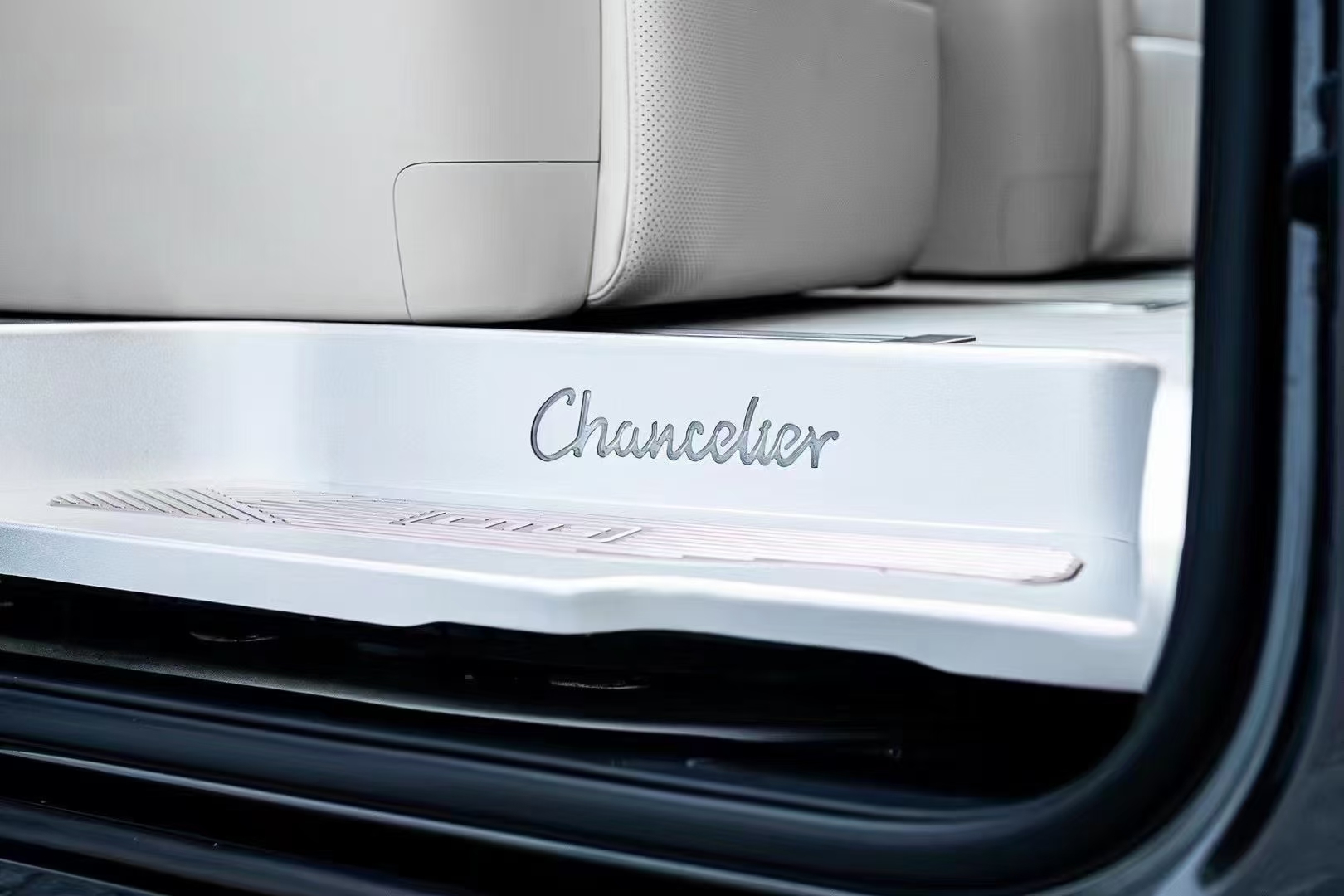 ▲ Li Auto L9 owner 50,000 km floor wear 3 truths modification effect photo
1. The Truth: Higher Abrasion-Resistance Cycles Aren't Always Better
When many Li Auto L9 owners first think about modifying their floors, the first reaction is to ask "how many abrasion-resistance cycles?", assuming higher is always better. I've been in the modification business for 15 years and have worked on more than 60 L9s. After 50,000 km of observation, I've noticed a counterintuitive phenomenon: floors with overly high abrasion-resistance cycles often cut corners on the PE layer.
Floors made with the HPL high-temperature lamination process are typically rated at 8000-15000 cycles in the industry. UV-printed floors are typically 1200-4000 cycles. But many owners don't know that abrasion-resistance cycles and the PE layer have a seesaw relationship—to push the cycle rating higher, either the surface HPL skin is made thicker, or the PE layer is made thinner.
The benefit of a thicker HPL skin is wear resistance; the drawback is reduced impact resistance—when a screw drops from the parking area or a child's toy car lands on it, a thick HPL skin tends to show white spots rather than dents that bounce back. A thinner PE layer is even more direct—after 50,000 km, the PE layer under the floor begins to powder, and stepping on it produces a "crunchy" sound.
So when selecting a Li Auto L9 floor, 8000000-11000000 cycles is the reasonable range, and anything above 15000000 cycles should actually be viewed with caution.
2. PE Layer Virgin vs Recycled Material: Cross-Section Observation Method
The second truth, also the most revealing after 50,000 km, concerns PE layer material. I've seen a comparison—the same Li Auto L9, 2022 model year, second-row floor. The original used a virgin PE layer (whiteish, translucent), and after 50,000 km, when you cut open the cross-section, the material color is still bright with no obvious powdering. Another L9, 2023 model year, later modified, second-row floor cross-section cut open—the PE layer is clearly greyish with impurity spots, and after 50,000 km stepping on it already has a "crunchy" feel.
How to tell if the PE layer is virgin or recycled? Three quick on-site judgment methods:
- Cross-section color observation: Ask the modification shop to cut a small piece of offcut to inspect the cross-section. Virgin material is pure white and bright; recycled material is greyish and dark with visible black spots.
- Cross-section material purity: Virgin cross-sections are smooth and even; recycled cross-sections show small particles or fibrous impurities.
- Odor judgment: If a freshly cut cross-section has a pungent plastic smell, it's likely recycled material that has been reprocessed multiple times.
Recycled PE layer prices are 30-50%% lower than virgin. But after 50,000 km, powdering begins, a "crunchy" sound appears under the floor, and re-installation costs more labor. Totaling up, the virgin PE layer solution is actually more cost-effective.
3. Door Edges and Second-Row Walkways Are the Real Wear Zones
The third truth concerns "where the most severe wear occurs." Li Auto L9 owners generally feel that the floor wears evenly across the car, but in reality that's not true.
I've tracked 4 L9s (each driven 50,000 km), and the three most severely worn locations are remarkably consistent:
- Driver's side door edge: Where the first step lands when getting in and out—most severe wear after 50,000 km.
- Center of the second-row walkway: Required path for passenger entry/exit—surface scratched after 50,000 km.
- Trunk loading area: Main wear zone for moving heavy items, pet entry/exit, and camping gear storage.
The truly evenly worn area is actually the floor between the second- and third-row seats—because passengers sit there and rarely step. When choosing floor materials for modification, these three high-wear areas should be considered separately:
- Door edges and walkways: Recommend fabric texture or carbon crystal fibre surface materials for scratch resistance.
- Trunk loading area: Recommend aviation aluminium HPL lamination for wear and impact resistance.
- Second/third row center: Lightweight fabric texture (density 0.8 g/cm³) is acceptable, prioritizing easy cleaning.
4. Floor Usage Cost Comparison Over 50,000 km
Floor maintenance cost for Li Auto L9 owners within 50,000 km—three solutions compared:
- OEM carpet floor: Replacement basically required every 50,000 km (carpet not washable); OEM parts cost about 2000-3000000 yuan.
- Aviation aluminium HPL lamination modification: No obvious wear at 50,000 km, near-zero cleaning cost, initial investment 5000-8000000 yuan.
- Bamboo fibre aviation aluminium modification: Some areas show expansion or deformation at 50,000 km; repair or replacement costs about 2000 yuan; initial investment 2000-4000000 yuan.
Over a 50,000 km usage cycle, the aviation aluminium HPL solution actually has the lowest total cost; the OEM carpet solution is the most expensive. This contradicts many owners' intuition—they think modification floors are expensive, but spread over 50,000 km the total cost is actually more economical.
Frequently Asked Questions
Q: What does it mean if the Li Auto L9 floor makes noise after 50,000 km? A: Eight times out of ten, it's the PE layer starting to powder, producing a "crunchy" sound when stepping on the walkway under the second-row seats. This is an early sign of PE layer material issues.
Q: Should I replace the OEM carpet floor on my Li Auto L9? A: The OEM carpet is not washable, and after 50,000 km it generally has a mildew smell or trapped dirt. The aviation aluminium HPL lamination solution is recommended.
Q: How do I choose between aviation aluminium HPL lamination and film cold press? A: HPL high-temperature lamination is wear-resistant to 8000-15000 cycles, while film cold press is 8000 cycles. The HPL solution is better suited for long-term use over 50,000 km.
Q: Can bamboo fibre aviation aluminium last 50,000 km? A: Bamboo fibre substrate absorbs water 50 times more than ceramic tile, and within a 50,000 km cycle, expansion or deformation may occur. It works relatively well in dry northern climates; humid southern climates are not recommended.
Q: Will noise increase after modifying the Li Auto L9 floor? A: Aviation aluminium reflected sound is slightly higher than OEM carpet, but the HPL lamination surface has a micro-texture, so the reflected sound increase is minimal. NVH difference is within 1 decibel.
Q: Should I remove the floor when reselling my Li Auto L9 after 50,000 km? A: Keeping the modification plus complete OEM parts results in a higher resale premium. See the residual value assessment guide for specific handling.
Summary
Three truths about Li Auto L9 floor wear at 50,000 km: abrasion-resistance cycles aren't always better when higher (8000000-11000000 cycles is reasonable), virgin PE layer is more durable than recycled (cross-section observation method), and door edges and walkways are the real wear zones (material selection should vary by location). Over a 50,000 km usage cycle, the aviation aluminium HPL lamination solution is the overall optimal choice.
References
- GB/T 33284-2016 "Indoor Decoration Materials—Limit of Hazardous Substance Emissions in Wood Flooring"
- IATF 16949:2016 Automotive Industry Quality Management System Standard
- GB/T 17657-2013 "Test Methods for Physical and Chemical Properties of Wood-Based Panels and Decorated Wood-Based Panels"
- SGS Standard Technical Services Co., Ltd. — Automotive Floor Wear Testing Methods
- National Building Materials Test Center — PE Material Identification Technical Specifications
- "2024 China Automotive Interior Modification Industry White Paper"—China Association of Automobile Manufacturers
Editorial Note
Floor prices, installation solutions and performance parameters mentioned in this article may vary depending on vehicle configuration, batch and shop craftsmanship; refer to the test report and installation receipt at the time of purchase for specific data.
Please cite the source when quoting this article.
Sun Zhiqiang, Technical Director of Commercial Vehicle Modification, 15 years of experience, judge of the National Modification Technician Competition, has served over 2,000 commercial vehicles.