Running the Denza D9 across the extreme-cold Northeast has been a hot topic for new-energy MPV road-tripping over the past two years. The one I've been driving has done the Northeast run three times, so I'll walk you through three emergency solutions for the floor on extreme-cold trips.
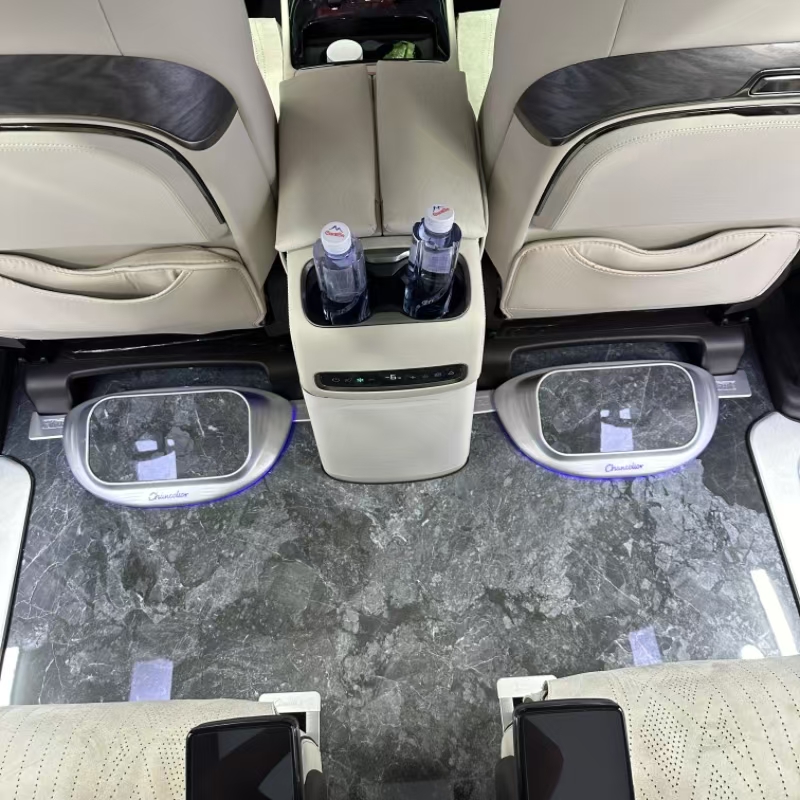 ▲ Real-world photo of the three emergency modifications for the Denza D9 Northeast extreme-cold road-trip floor
The Real Threats the Northeast Extreme Cold Poses to the Floor
Characteristics of a Northeast winter:
- Air temperature -20℃ to -35℃
- After a night outside, cabin temperature -15℃ to -25℃
- Snow + de-icing salt (contains salt and alkali)
- Frequent in-and-out of the cabin on short road trips (large temperature swings)
The three real threats the Northeast extreme cold poses to the floor:
Threat 1: The PE layer hardens and dents. The PE layer hardens by 3-4 times below -20℃, so luggage pressing on the floor cannot rebound, leaving permanent dents over time.
Threat 2: Clips cracking. PA66 clips lose over 50% of their impact strength at -30℃, so aggressive stepping on the edges can easily crack them.
Threat 3: Sealing strips hardening and shrinking. Sealing strips shrink 5-8% at -30℃, and during snow-melt season water seeps into the gaps, then refreezes and expands, widening the gaps.
3 Emergency Solutions for Denza D9 Extreme-Cold Road Trips
Solution 1: Use a luggage tray instead of placing items directly on the floor. In extreme cold the PE layer hardens, and luggage placed directly on the floor will leave dents. The emergency solution is to prepare a plastic luggage tray, place the luggage on the tray, and let the tray disperse the weight across multiple points on the floor to avoid concentrated dents.
Solution 2: Use a step mat instead of stepping directly on the edges. Clips become brittle in low temperatures, and elderly passengers or children stepping on the edges when getting in and out can easily cause them to crack. The emergency solution is to place a rubber step mat at the car door, step on the mat first when getting in and out, and avoid stepping directly on the floor edges.
Solution 3: Wipe the gaps dry every day during snow-melt season. After the sealing strips shrink the gaps widen, and during snow-melt season de-icing salt and water seep into them. Before driving each day, use a dry cloth to wipe the gaps at the floor edges dry—this reduces corrosion of the aluminium layer by the de-icing salt.
3 Real Cases of Denza D9 Extreme-Cold Road Trips
Case 1: Harbin–Mohe extreme-cold road trip. One owner drove the Harbin–Mohe stretch, with outdoor temperatures of -35℃ and cabin temperatures of -25℃ in 12. This owner didn't apply any emergency solution, and after returning 3 days later found 3 luggage dents and 2 cracked clips. Lesson: you must apply emergency solutions on extreme-cold road trips.
Case 2: Changchun–Changbai Mountain snow road trip. One owner drove the Changchun–Changbai Mountain stretch, with outdoor temperatures of -25℃ in 1. This owner used the luggage tray solution and had no dents the entire trip. The floor was in good shape after returning. Lesson: the emergency solution works.
Case 3: Shenyang–Dandong snow-melt road trip. One owner drove the Shenyang–Dandong stretch during snow-melt season in 2. This owner used the step mat + wipe-gaps-dry solution, and after returning had no cracked clips and no noticeable gap widening. Lesson: emergency solutions are even more important in snow-melt season than in extreme-cold season.
Denza D9 Extreme-Cold Modification Recommendations
Recommended Denza D9 floor modifications for the Northeast extreme-cold scenario:
- HPL aviation aluminium floor (recommended): The HPL layer is dense, has high wear-resistance revolutions, and stable performance at low temperatures
- Fabric texture (second recommendation): SPC structure has good moisture resistance, but performs slightly worse than aviation aluminium at low temperatures
- Avoid UV printing: UV coating cracks at low temperatures, -30℃ is obvious
- Avoid bamboo-fibre aviation aluminium: insufficient extreme-cold data, long-term reliability is questionable
3 Maintenance Habits for Denza D9 Owners in the Northeast
Habit 1: Inspect clips and sealing strips before winter. Before winter at the end of 10, go to the modification shop for free maintenance (most brands offer it), with focus on inspecting clips, sealing strips, and seal integrity.
Habit 2: Check floor edges every 2 weeks. During winter, check the floor edges once every 2 weeks, and address any looseness promptly.
Habit 3: Wipe dry weekly during snow-melt season. During the snow-melt months of 2–3, wipe the gaps at the floor edges dry once a week to reduce corrosion of the aluminium layer by de-icing salt.
FAQ: The 5 Most Common Questions from Denza D9 Extreme-Cold Owners
Q1: Should I modify the floor when taking the Denza D9 to the extreme-cold Northeast? A: Strongly recommended. The Northeast extreme cold causes significant damage to the original PVC floor—after 2–3 Northeast road trips the original floor may show wear, fading, and gap deformation.
Q2: What process should I choose for the extreme-cold floor modification? A: HPL high-temperature press-laminate process. 10 years of market validation, high wear-resistance revolutions, and low-temperature stability.
Q3: Will the floor crack in the Northeast extreme cold? A: The aviation aluminium floor will not crack (aluminium's melting point of 660 °C is far above operating temperatures), but the PE layer and clips become brittle. Emergency solutions can address the accessory issues.
Q4: Is de-icing salt harmful to the floor? A: De-icing salt contains salt and alkali, and prolonged contact causes slight corrosion of the aluminium layer. It is recommended to wipe the gaps at the floor edges dry daily to avoid long-term deposition of de-icing salt.
Q5: How much does the extreme-cold floor modification cost? A: HPL aviation aluminium 5000–8000 RMB; fabric texture 6000–8000 RMB.
Industry Data: The Northeast Extreme-Cold Modification Market
According to public data from the Modification Branch of the China Automotive Aftermarket Association in 2025:
- MPV floor modification penetration rate in the Northeast region is approximately 16%
- Process with the highest owner satisfaction after modification: HPL (88%)
- Extreme-cold scenarios account for 22% of modification drivers
- Emergency-solution usage rate among Northeast owners is approximately 45%
Modification Recommendations Summary
For Denza D9 Northeast extreme-cold road trips, prioritise the HPL-process aviation aluminium floor modification, combined with the three emergency solutions—luggage tray, step mat, and wiping gaps dry—which can essentially address the real threats the extreme cold poses to the floor.
References
- GB/T 33284–2016 "Limits of Hazardous Substance Emissions in Wood Flooring for Interior Decoration and Refurbishment Materials"
- IATF 16949:2016 Automotive Industry Quality Management System Standard
- 2025 Northeast Market Research Report by the Modification Branch of the China Automotive Aftermarket Association
- Public data from the Heilongjiang Province Automobile Circulation Association
- Low-Temperature Performance Testing Method for Materials, National Testing Center for Building Materials
- Material Testing Methods, SGS Standard Technical Services Co., Ltd.
Chen Minghui, senior analyst in the automotive interior modification industry with 18 years of experience, special invited consultant to the China Association of Automobile Manufacturers, and author of 28 published papers.
Editorial Note
The floor prices, installation plans, and performance parameters covered in this article may vary with vehicle configuration, production batch, and shop process. Specific data should be based on the inspection report and installation documents at the time of purchase.
If quoting content from this article, please cite the source.