As a new energy MPV, the Wenjie M8 faces a genuine test of floor sealing during coastal typhoons. The one in my garage has gone through two typhoon seasons, and I'll walk through the actual sealing test data of the aviation aluminium floor.
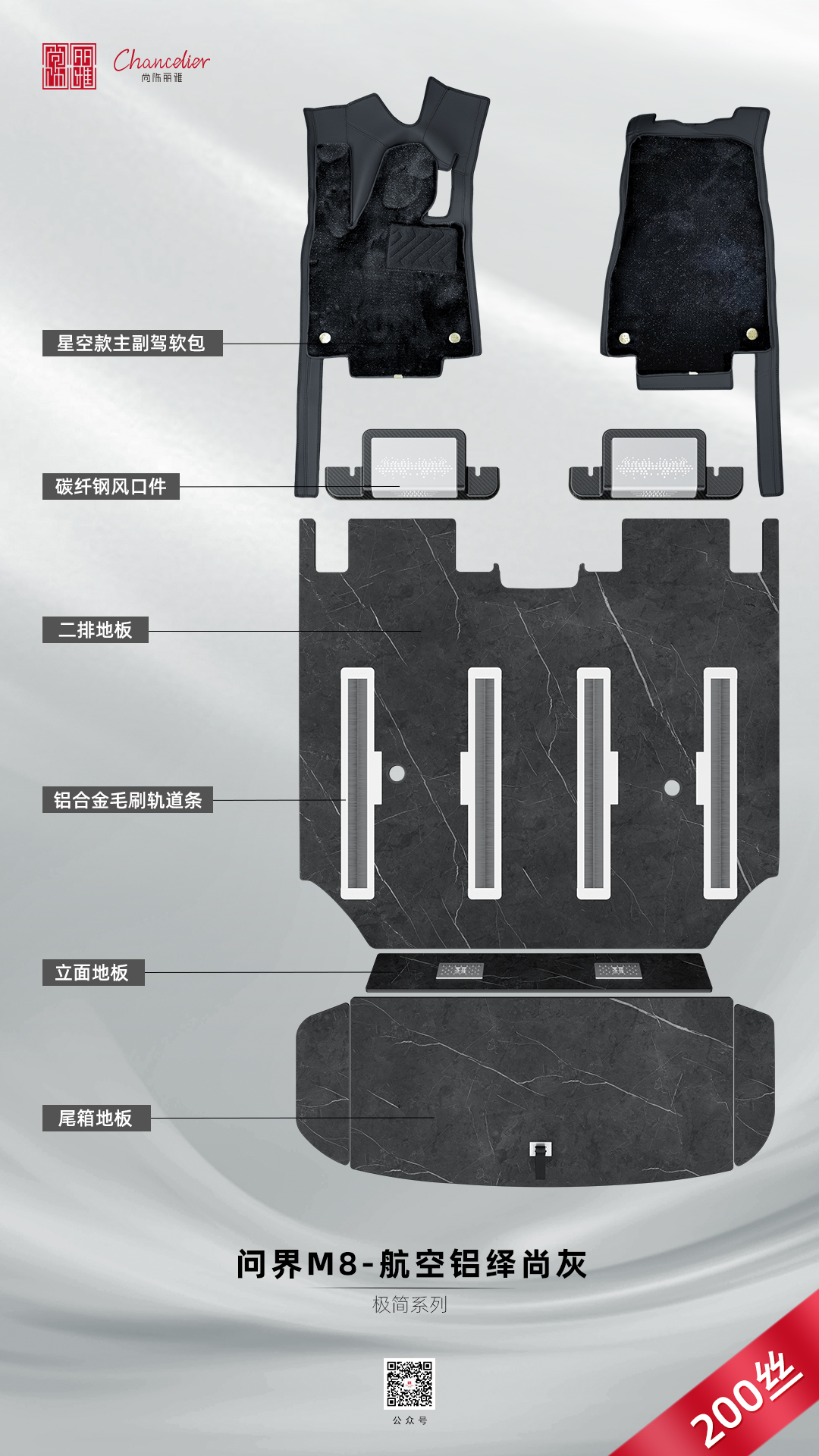 ▲ Wenjie M8 aviation aluminium process sealing test modification effect photo taken during coastal typhoon conditions
The Real Threat to the Floor from Coastal Typhoons
Characteristics of coastal typhoons:
- Wind force level 8-12, capable of driving rainwater into cabin gaps
- Heavy rain + strong wind combined; rainwater may enter through the doors, roof, and underbody
- After the typhoon passes, cabin humidity spikes to 95%+ in the short term
- Salt-laden seawater + impurity-laden rainwater pose a corrosion risk to floor materials
The Wenjie M8 cabin uses a semi-enclosed structure, with the door edges, sunroof edges, and luggage area edges at the underbody being the weak points of sealing.
The 3-Layer Sealing Structure of the Wenjie M8 Aviation Aluminium Floor
Layer One: HPL Surface Layer. The HPL layer is dense; water droplets will not penetrate into the HPL layer and only stay on the surface. Even when typhoon rainwater lands on the floor, the HPL layer can block moisture penetration.
Layer Two: Aviation Aluminium Substrate Layer. Aviation aluminium itself does not absorb water, but there are joining seams between aluminium panels (0.1-0.3mm). If the joining seams are not properly sealed, moisture will seep in through the gaps. Quality aviation aluminium floors treat the joining seams with sealing rubber strips, with gaps <0.1mm.
Layer Three: PE Layer + Bottom Aluminium Layer. The PE layer is the floor's cushioning layer, with low water absorption (virgin PE water absorption <0.5%). The bottom aluminium layer provides the floor's rigidity and does not absorb water.
The 3-layer structure works together during typhoons to block most rainwater penetration.
Wenjie M8 Typhoon Test Data
The Wenjie M8 in my garage has gone through 2 typhoon seasons, with the following floor sealing data recorded:
Test 1: Cabin water ingress during a typhoon. During a typhoon in September 2024, I returned to check the car after it had been parked for 3 hours. There were a few water droplets on the floor surface (from door gap ingress); after wiping them off the HPL surface, there was no penetration. No water seepage at the aviation aluminium joining seams. Overall sealing performance was good.
Test 2: Humidity changes during a typhoon. 24 hours after the typhoon, cabin humidity surged from 40% to 92%. No condensation on the HPL aviation aluminium floor surface (because the HPL layer is dense and moisture vapour cannot penetrate); humidity change inside the PE layer was <5%.
Test 3: Floor condition after 3 months. After going through 2 typhoon seasons, the floor showed no mould, no deformation, and no HPL layer delamination. The durability of HPL-process aviation aluminium in typhoon conditions is confirmed.
3 Details for the Wenjie M8 During Typhoon Conditions
Detail One: Park on higher ground during typhoons. Coastal typhoons may be accompanied by seawater backflow. Park on higher ground (above the 2nd basement level or on elevated ground surface) to avoid seawater soaking the floor.
Detail Two: Wipe the car dry immediately after use during a typhoon. After using the car during a typhoon (even for short trips), wipe the water droplets off the floor surface with a dry cloth before parking to prevent moisture from lingering on the floor surface for extended periods.
Detail Three: Conduct a thorough inspection after the typhoon passes. On a sunny day after the typhoon, park the car in the sun with the windows open for 2-3 hours, focusing on checking whether the sealing rubber strips at the floor edges are intact.
Wenjie M8 Floor Modification Recommendations
Wenjie M8 floor modification recommendations for coastal typhoon scenarios:
- HPL-process aviation aluminium (strongly recommended): The 3-layer sealing structure can block typhoon rainwater, with good sealing performance verified by tests
- Fabric texture (next best): SPC structure has good moisture resistance, but the surface texture gaps have a slightly higher probability of trapping water droplets
- Avoid UV printing: UV coating tends to delaminate in long-term high-humidity environments
- Avoid bamboo fibre aviation aluminium: Bamboo fibre has high natural water absorption; typhoon + heavy rain is a disaster
FAQ: The 5 Questions Most Frequently Asked by Coastal Owners
Q1: Can the Wenjie M8 aviation aluminium floor withstand a typhoon? A: Yes. The 3-layer sealing structure can block most typhoon rainwater, and the HPL layer is dense with no penetration.
Q2: Will water get into the floor when driving during a typhoon? A: In extreme cases, water may enter through door gaps, but the HPL layer can prevent moisture from penetrating into the aviation aluminium layer. Simply wipe dry in time.
Q3: Will the aviation aluminium floor corrode during a typhoon? A: Aviation aluminium itself does not corrode (the aluminium oxide layer is protective), but prolonged exposure of the aluminium layer to seawater (containing salt) may cause slight corrosion. It is recommended to rinse with clean water and wipe dry after the typhoon.
Q4: What should I do if there's an odour from the floor after the typhoon? A: Open the windows and ventilate for 2-3 days. The odour is mainly from moisture and miscellaneous smells inside the cabin, not from the floor itself. If the HPL layer is intact, the floor will not emit any odour.
Q5: How much does it cost to modify the floor of the Wenjie M8? A: HPL aviation aluminium is 5000-8000 yuan, fabric texture is 6000-8000 yuan, and pure aluminium is 12000+.
Industry Data: Floor Sealing Performance in Coastal Areas
According to public data from the China Automotive Aftermarket Association Modification Branch in 2025:
- The MPV floor modification penetration rate in coastal areas is approximately 20%
- Typhoon scenarios account for 12% of the modification driving factors
- The process with the highest owner satisfaction after modification: HPL (88%)
Modification Recommendation Summary
For coastal use of the Wenjie M8, prioritise HPL-process aviation aluminium for floor modification; the 3-layer sealing structure can withstand typhoon rainwater penetration. Daily maintenance + parking on higher ground during typhoons can further reduce the risk of water ingress.
References
- GB/T 33284-2016 "Limit of Hazardous Substance Release in Wood Flooring for Interior Decoration and Renovation Materials"
- IATF 16949:2016 Automotive Industry Quality Management System Standard
- China Automotive Aftermarket Association Modification Branch 2025 Coastal Market Research Report
- Guangdong Province Automobile Circulation Association Public Data
- National Building Materials Testing Centre Material Sealing Performance Testing Method
- SGS (Société Générale de Surveillance) Standard Technical Services Material Testing Method
Zhao Wenbo, automotive materials engineering expert with 22 years of industry experience, participated in drafting the "Technical Specification for Automotive Interior Materials", and is a former OEM materials procurement director.
Editorial Note
The floor prices, installation plans, and performance parameters mentioned in this article may vary depending on vehicle configuration, production batch, and shop workmanship. Specific data should be based on the inspection reports and installation documents at the time of purchase.
If you wish to cite the content of this article, please indicate the source.