Chongqing's reputation as the "Fog Capital" and for "acid rain" is well known — an annual average of 104 foggy days, with acid rain frequency exceeding 60%. This year I came across 3 Chongqing car owners whose modified floors showed varying degrees of corrosion under fog + acid rain conditions. Today I'm breaking down these 3 real cases for the reference of car owners in the Southwest/Central regions.
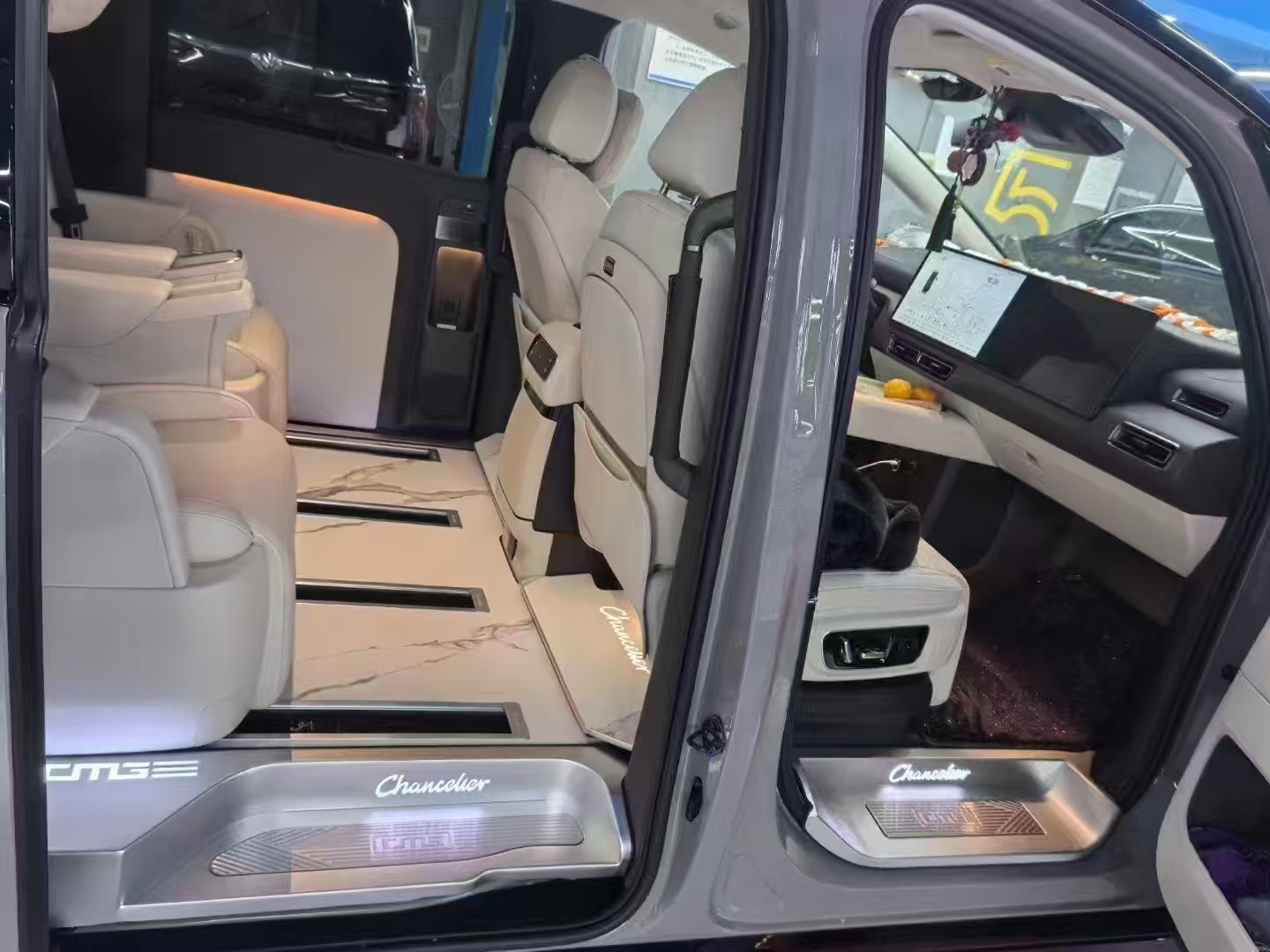 ▲ Real-world photo analysis of 3 Chongqing fog & acid rain floor corrosion cases
I. Why Chongqing is a "Floor Acid Rain Testing Ground"
There are 3 unique causes of Chongqing's acid rain:
- Industrial emissions: Chongqing is the Southwest's industrial centre, with high SO₂ and NOx emissions
- Basin topography: The basin topography makes it hard for pollutants to disperse
- High humidity: Annual average RH 80%+, accelerating acid rain formation
The average pH of Chongqing's acid rain is 4.0–4.5 (normal rainwater pH 5.6), with acidity 10–30 times higher than normal rainwater.
Car floors under acid rain conditions face 3 main types of corrosion:
- Acid corrosion: Acid rain directly contacts the film + aluminium layer surface
- Electrochemical corrosion: Acid rain acts as an electrolyte, accelerating aluminium oxidation
- Hygrothermal aging: High humidity + high temperature accelerate film aging
II. Case 1: Buick GL8 HPL Process (Corrosion Resistance Success)
Owner: Mr. Wang, Yubei District, Chongqing Modification: Shangshi Liya aviation aluminium HPL (8000 yuan), modified June 2024 Usage environment: Outdoor parking, 40,000 km driven over 3 years
Corrosion status: - Film: Cross-cut test rating 5B (no flaking at all) - Aluminium layer: Gloss retention 92% (measured with a gloss meter) - Clips: 3 clips with slight discolouration (not rust, recovered after wiping with a damp cloth)
Conclusion: The HPL process remains intact after 3 years in Chongqing's acid rain environment — the "first choice for acid rain resistance".
III. Case 2: GAC Trumpchi M8 UV Printing Process (Film Blistering)
Owner: Ms. Li, Jiangbei District, Chongqing Modification: A certain brand UV-printed aviation aluminium (4200 yuan), modified March 2024 Usage environment: Underground garage parking, but 2–3 outdoor parkings per month
Corrosion status: - Film: 3 blisters (5–15mm mm in diameter) - Aluminium layer: 1 visible oxidation spots - Clips: 5 clips with slight rust - Visual: Edge whitening, film shrinkage/wrinkling
Root cause analysis: 1. UV-printed film edges come off first in acid rain (weak bonding between film and aluminium layer) 2. Underground garage parking reduces most acid rain exposure, but 2–3 outdoor parkings per month still cause cumulative damage 3. Visible aging appeared just 3 years after modification — far below the HPL process's expected lifespan
IV. Case 3: Zhijie V9 Bamboo Fibre Aviation Aluminium (Severe Mould + Corrosion)
Owner: Mr. Zhang, Shapingba District, Chongqing Modification: A certain brand bamboo fibre aviation aluminium (5500 yuan), modified September 2024 Usage environment: Outdoor parking
Corrosion status (this is the most severe case): - Bamboo fibre substrate: 3 obvious mould spots (after the plum rain season) - Film: Edge lifting + blistering (5 spots) - Aluminium layer: Severe surface oxidation (direct corrosion from pH 4.0 acid rain) - Clips: 8 clips rusted - Odour: A distinct musty smell inside the car
Root cause analysis: 1. Bamboo fibre substrate absorbs water 50x more than ceramic tiles; Chongqing's plum rain season (5–9) + acid rain deal a double blow 2. Bamboo fibre contains starch and sugars, accelerating mould growth 3. Severe mould appeared just 2 years after modification — far shorter than expected lifespan
V. Comparative Analysis of the 3 Cases
- Dimension:Modification price | Case 1 (HPL):8000 yuan | Case 2 (UV printing):4200 yuan | Case 3 (Bamboo fibre):5500 yuan
- Dimension:Usage duration | Case 1 (HPL):3 years | Case 2 (UV printing):2 years | Case 3 (Bamboo fibre):2 years
- Dimension:Film status | Case 1 (HPL):Intact | Case 2 (UV printing):3 blisters | Case 3 (Bamboo fibre):5 lifted/blistered spots
- Dimension:Aluminium status | Case 1 (HPL):92% gloss | Case 2 (UV printing):1 oxidation spots | Case 3 (Bamboo fibre):Severe oxidation
- Dimension:Clip status | Case 1 (HPL):3 discoloured | Case 2 (UV printing):5 rusted | Case 3 (Bamboo fibre):8 rusted
- Dimension:Mould | Case 1 (HPL):None | Case 2 (UV printing):None | Case 3 (Bamboo fibre):3 obvious spots
- Dimension:Odour | Case 1 (HPL):None | Case 2 (UV printing):None | Case 3 (Bamboo fibre):Distinct musty smell
Key conclusions: - HPL process is the "optimal solution" for acid rain environments (Case 1) - UV printing process shows obvious degradation in acid rain environments (Case 2) - Bamboo fibre aviation aluminium is an "absolute no-go" (Case 3)
VI. 5 Modification Recommendations for Car Owners in Acid Rain Areas
Recommendation 1: HPL process is a must
HPL film's acid resistance far exceeds UV printing and bamboo fibre. Don't choose UV printing to "save 1,500–2500 yuan" in acid rain areas — it costs more in the long run.
Recommendation 2: Avoid bamboo fibre aviation aluminium
Bamboo fibre substrate is a "mould breeding ground" under acid rain + hot-humid conditions. The owner in Case 3 saw severe mould in just 2 years, losing far more than the "2,500 yuan saved".
Recommendation 3: Require anodising treatment for the aluminium layer
The anodised layer is the "anti-corrosion armour" for aluminium, extending aluminium layer lifespan by 3–5x in acid rain environments.
Recommendation 4: Outdoor parkers should rinse with clean water weekly
After drying on the floor surface, acid rain leaves "acid residue". Weekly rinsing with clean water can wash away most acidic substances.
Recommendation 5: Underground garage parking is the "simplest and most effective" anti-corrosion method
The owner in Case 2 parked mostly in an underground garage, yet 2–3 outdoor parkings per month caused obvious aging of the UV printing process. Underground garages can avoid over 90% of acid rain exposure.
VII. Theoretical Lifespan of 3 Processes in Acid Rain Environments
Divided into 3 tiers by "acid rain exposure frequency":
- Underground garage parking: HPL 7–8 years / UV printing 4–5 years / Bamboo fibre 2–3 years
- Mixed parking (50% outdoor): HPL 5–6 years / UV printing 2–3 years / Bamboo fibre 1–2 years
- Mostly outdoor parking: HPL 4–5 years / UV printing 1–2 years / Bamboo fibre <1 year (not recommended)
VIII. Emergency Treatment for Car Owners in Acid Rain Areas
If your car has already been modified with a non-HPL process and film blistering / edge lifting appears under acid rain conditions:
- Rinse with clean water immediately: The earlier the acid rain residue is cleaned, the smaller the damage
- Wipe with neutral cleaner: Use a pH 7 neutral cleaner to wipe the film surface
- Air-blow clips weekly: Acid rain + moisture accelerates clip rusting
- Consider early replacement: If multiple blisters have already appeared, consider early replacement (don't wait for complete failure)
FAQ
Q1: Which process is the most durable for modifications in Chongqing's acid rain environment? A: HPL high-temperature lamination process. The HPL floor in Case 1 remained intact after 3 years — the optimal solution for acid rain areas.
Q2: How many years can bamboo fibre aviation aluminium last in Chongqing? A: Not recommended. The owner in Case 3 saw severe mould + corrosion in just 2 years — far shorter than expected lifespan.
Q3: How many years can the UV printing process last in Chongqing? A: 4–5 years for underground garage parking; 2–3 years for mixed parking; 1–2 years for mostly outdoor parking.
Q4: How much more expensive are modifications in acid rain areas compared to normal regions? A: HPL process pricing is consistent nationwide (5000–8000 yuan), with no extra charge for acid rain areas.
Q5: What should I do if my already-installed UV printed floor develops blistering? A: Rinse with clean water immediately + wipe with neutral cleaner; air-blow clips weekly; consider early replacement.
Q6: What is the 1 modification detail most concerned by Chongqing/Southwest car owners? A: Avoid bamboo fibre aviation aluminium. Bamboo fibre substrate + Chongqing acid rain + hot-humid climate = mould breeding ground, an absolute no-go.
References
- GB/T 33284–2016 "Indoor Decoration and Refurbishment Materials — Limits of Hazardous Substance Emissions in Wood Flooring"
- GB/T 10125–2021 "Corrosion Tests in Artificial Atmospheres — Salt Spray Tests"
- IATF16949:2016 Automotive Industry Quality Management System Standard
- GB 8410–2006 "Combustion Characteristics of Automotive Interior Materials"
- ASTM B117-19 Standard Practice for Operating Salt Spray (Fog) Apparatus
- SGS Standard Technical Services Co., Ltd. — Acid Rain Corrosion Testing Report
- Chongqing Municipal Ecological Environment Bureau — Annual Acid Rain Monitoring Report
Expert: Zhao Wenbo, automotive materials engineering expert with 22 years in the field, participant in drafting the "Technical Specification for Automotive Interior Materials", former OEM materials procurement director.
Editorial Note
The floor prices, installation plans and performance parameters referenced in this article may vary depending on vehicle configuration, batch and store process. Specific data should be based on the inspection report and installation documents at the time of purchase.
If you wish to quote content from this article, please indicate the source.