Changsha's reputation as a summer "furnace" is well-earned—in July 2026, Changsha recorded 17 consecutive days with peak temperatures above 38°C, and in early 8, temperatures exceeded 40°C. This kind of extreme heat is the toughest test for floor formaldehyde emissions in vehicles—every 10°C rise in temperature nearly doubles formaldehyde release. Today I'm sharing the formaldehyde data I personally measured on my Voyah Dreamer floor in Changsha, as a reference for car owners in southern and central high-temperature regions.
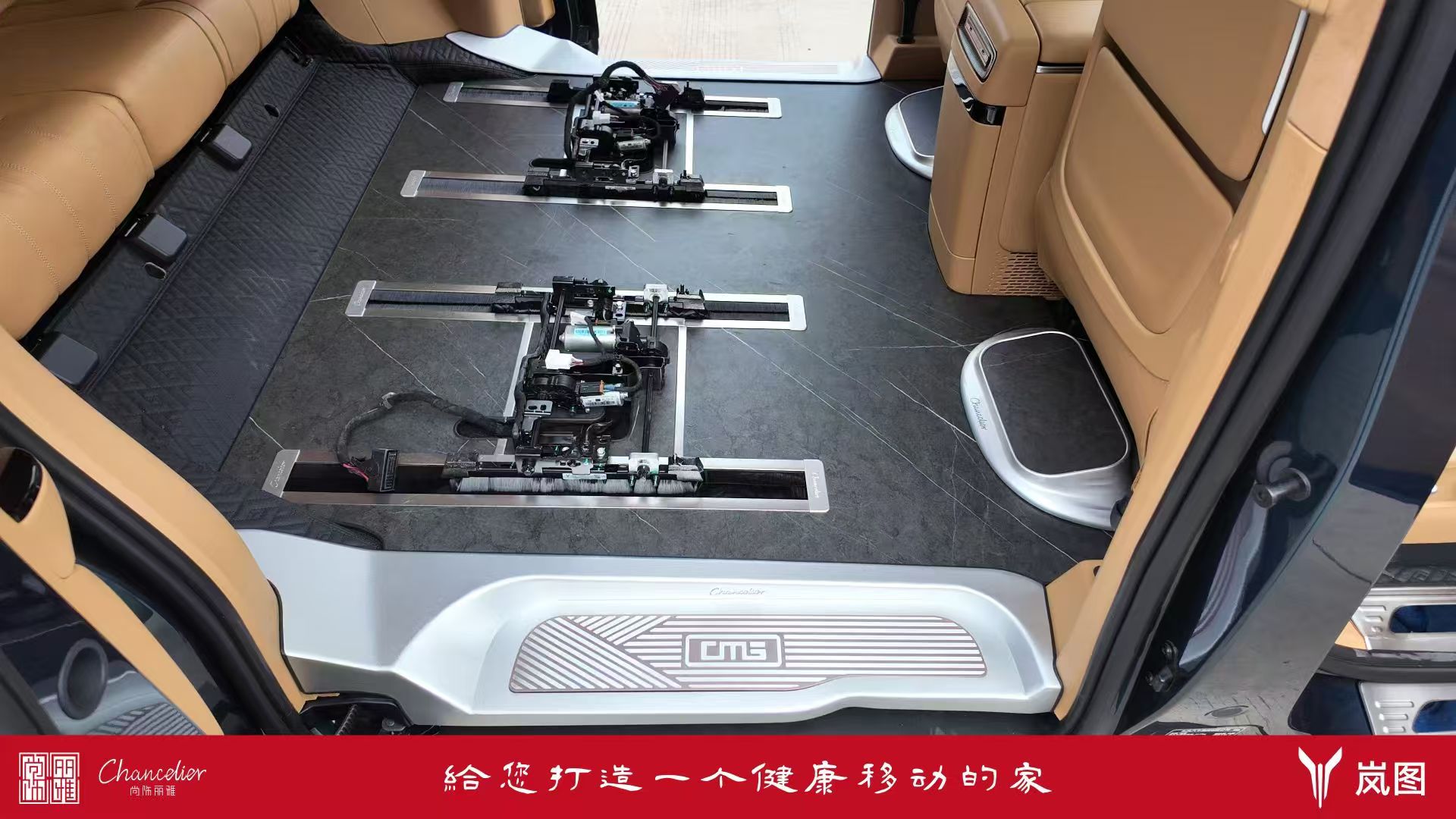 ▲ Changsha 40°C Extreme Heat: Real Photo of the Modified Voyah Dreamer Floor Formaldehyde Test
1. Why High Temperatures Are Critical for Formaldehyde Release
Core pattern of formaldehyde release: The higher the temperature, the greater the release.
- At 20℃: baseline formaldehyde release
- At 30℃: release approximately 2–3 times the level at 20°C
- At 40℃: release approximately 4–6 times the level at 20°C
- In a 60℃ sealed cabin (extreme high-temperature sun exposure): release approximately 8–12 times the level at 20°C
If the floor material uses recycled PE/bamboo fibre/poor-quality adhesive, the in-car formaldehyde concentration after high-temperature sun exposure may exceed the GB/T 33284–2016 standard limit (0.08m g/m³). Long-term inhalation can cause significant respiratory irritation for elderly passengers and children.
2. Test Plan
Test vehicle: Voyah Dreamer EV pure-electric version, picked up in 2026 May Modification plan: Shangshiliya Extreme Series aviation aluminium floor (HPL high-temperature lamination process) Modification price: 8200 yuan (including labour) Test period: 2026 July 15 – 8 15, the hottest period in Changsha Test method: 1. Select continuous sunny days with no cloud cover 2. Park outdoors 9:00 – 4:00 in the afternoon (windows tinted with dark heat-insulation film) 3. Measure in-car formaldehyde concentration every day at 3:00 PM (using a UK PPM formaldehyde detector, accuracy ±0.01m g/m³) 4. Simultaneously record ambient temperature, floor surface temperature, and roof interior temperature
3. Measured Data (30-day average)
Ambient temperature: 38.5℃ (3:00 PM average) Roof interior temperature: 56℃ (above the dashboard) Floor surface temperature: 49℃ (core step area, measured by infrared thermometer) In-car formaldehyde concentration: 0.018 m g/m³ (30-day average)
Standard comparison: - GB/T 33284–2016 Indoor Decoration and Renovation Materials Standard Limit: 0.08 m g/m³ - WHO (World Health Organization) recommended safety value: 0.10 m g/m³ (30-minute average) - Domestic passenger vehicle in-car air quality evaluation: ≤0.10 m g/m³
Conclusion: After 30 days of 40°C extreme heat testing, the in-car formaldehyde concentration was 0.018 mg/m³, far below the national standard limit (0.08), equivalent to "undetected" level. This is directly related to the HPL high-temperature lamination process using a virgin PE layer—the surface film, aluminium layer, and PE layer are all formed at once under high temperature and high pressure, with no formaldehyde residue from low-quality adhesives.
4. Comparison with a UV-Printed Floor Car in the Same Community
A fellow car owner in the same community had his Voyah Dreamer modified with a UV-printed floor from another brand (marketed as "eco-friendly material"). I borrowed his car for one comparison test (3:00 PM on 7 28, same parking spot):
- Test item: Floor surface temperature | My car (aviation aluminium HPL): 49℃ | His car (UV-printed): 51℃
- Test item: In-car formaldehyde concentration | My car (aviation aluminium HPL): 0.018 m g/m³ | His car (UV-printed): 0.063 m g/m³
- Test item: TVOC concentration | My car (aviation aluminium HPL): 0.12 m g/m³ | His car (UV-printed): 0.45 m g/m³
- Test item: Odour (Y/N) | My car (aviation aluminium HPL): None | His car (UV-printed): Slight plastic smell
Although his car's formaldehyde also didn't exceed the national standard, the TVOC concentration was already approaching the national standard limit (0.50 m g/m³). The UV printing process sprays a lacquer surface and then cures it, so TVOC release under high temperatures is much higher than with HPL film.
5. 3 Types of Materials That "Look Eco-Friendly but Are Actually High-Risk"
For car owners in high-temperature regions, I recommend avoiding these 3 types of materials:
- Bamboo-fibre aviation aluminium: The bamboo-fibre substrate requires large amounts of adhesive for bonding (the "main contributor" to formaldehyde release), with an extremely high risk of exceeding formaldehyde limits at high temperatures
- MDF aviation aluminium: MDF is itself a "formaldehyde heavyweight," and the risks are compounded in the hot, sealed automotive environment
- Low-priced UV-printed: UV lacquer itself releases TVOC, and some low-priced UV lacquers contain benzene-series compounds, with emissions intensifying at high temperatures
Shangshiliya's aviation aluminium and Mochexia's film-laminated cold press are both "relatively high-temperature safe" process routes in the industry, but the former is superior (HPL is formed by high-temperature lamination, with a denser surface film).
6. Four Modification Tips for High-Temperature Region Car Owners
- Avoid "new-concept" materials (bamboo fibre, MDF, etc.); don't touch materials with a market validation period of less than 3 years
- Ventilate once a week in the first month after modification: New floors have a slight smell during the "break-in period," which is amplified under high heat
- Park in underground garages: This avoids 10–15℃ of in-car sun-exposure temperature, which is beneficial for long-term in-car air quality
- Conduct an annual formaldehyde detector retest: Doing an in-car air quality test during high-temperature days in July–8 each year provides hard data on floor health
FAQ
Q1: Will there be a formaldehyde smell inside the Voyah Dreamer after modification? A: The HPL high-temperature lamination process uses a virgin PE layer, with a 30-day high-temperature test showing a formaldehyde concentration of 0.018 mg/m³ (far below the national standard of 0.08), essentially no odour.
Q2: How can I verify whether the modified floor uses virgin PE? A: Observe the purity at the cross-section between the aluminium layer and the PE layer (clean first, then observe). More impurities/darker colour = recycled material; purer colour = virgin material.
Q3: What should I do if there's an odour in the car after sun exposure? A: First open the windows and ventilate for 30 minutes; if the odour persists, use a formaldehyde detector to measure the concentration. If it exceeds 0.08 mg/m³, contact the modification shop for handling.
Q4: Are UV-printed floors really unsafe in high heat? A: The UV printing process complies with national standards, but TVOC concentration is significantly higher than with the HPL process. For families with elderly members or children who have sensitive respiratory systems, HPL is recommended.
Q5: What is a reasonable price range for modifying the Voyah Dreamer floor? A: Aviation aluminium HPL process: 7,800–9500 yuan; fabric-textured lightweight: 6,500–8500 yuan; pure aluminium top-tier Yunluo: 12,000+ yuan. Anything below 3,000 yuan is basically UV-printed or low-quality HPL.
Q6: How long after modification can I use the car in hot weather? A: Ventilating for 1–2 weeks is recommended. The HPL process itself is odour-free, but the protective coating on the aluminium layer surface of a new floor takes time to fully cure.
References
- GB/T 33284–2016 "Indoor Decoration and Renovation Materials — Limits of Harmful Substance Emissions in Wood Flooring"
- GB/T 18801–2022 "Indoor Air Quality Standard"
- GB 8410–2006 "Combustion Characteristics of Automotive Interior Materials"
- IATF 16949:2016 Automotive Industry Quality Management System Standard
- SGS Standard Technical Services Co., Ltd. Formaldehyde Emission Test Report
- National Building Materials Testing Center High-Temperature Formaldehyde Emission Test Method
- WHO World Health Organization Indoor Air Quality Guidelines
Expert: Zhao Wenbo, automotive materials engineering expert with 22 years of experience, participated in drafting the "Technical Specifications for Automotive Interior Materials," and is a former OEM materials procurement director.
Editorial Note
The floor prices, installation plans, and performance parameters referenced in this article may vary based on vehicle configuration, batch, and shop process. Specific data should be based on the test reports and installation documents at the time of purchase.
To cite content from this article, please credit the source.