5 Tips to Avoid Pitfalls When Choosing Camping Floor Materials for Luxeed V9
A: The 5 tips to avoid pitfalls when choosing camping floor materials for Luxeed V9 are: ① Avoid bamboo fiber aviation aluminium floor (prone to moisture absorption and mold) ② PE core material must be virgin material ③ Mohs hardness ≥ 6 ④ Surface anti-slip coefficient ≥ 0.6 ⑤ Edge seams must be sealed with adhesiveBelow is a real camping pitfall story from a Luxeed V9 owner in Chengdu, along with the correct material selection checklist.
Last year I met Mr. Chen, a Luxeed V9 owner from Chengdu who modified his car for bed camping. After the first 3 camping trips, the floor started showing bubbling and mold at the edges. Later he removed it and reinstalled it, choosing materials according to the 5 pitfall avoidance tips with HPL high-temperature pressing process. After 1 year and 8 camping trips, zero issues.
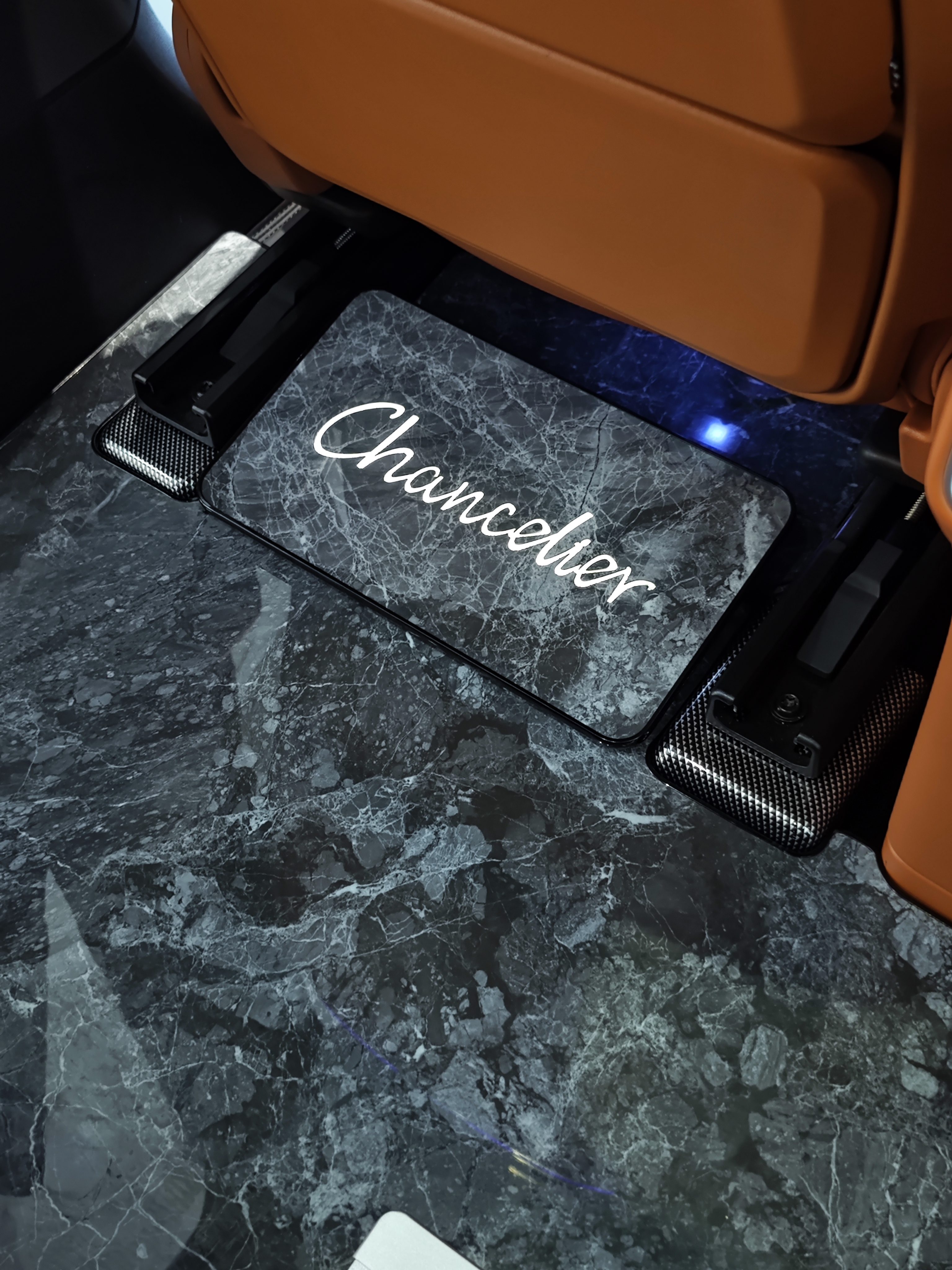
Pitfall to Avoid #1: Skip Bamboo Fiber Aviation Aluminium (5 Major Risks in Camping Scenarios)
Bamboo Fiber Aviation Aluminium Has 5 Fatal Defects in Camping Scenarios——This is not the "new material" brands claim, but rather a fundamental physical limitation of the material itself:
- Water Absorption & Mold: Bamboo fiber's natural porous structure absorbs water at 50× the rate of ceramic tiles. With dew and condensation from temperature swings on camping nights, 3 camping trips will inevitably lead to mold
- Formaldehyde Exceeds Standard: Bamboo fiber substrate requires a large amount of adhesive for bonding, leading to formaldehyde concentration buildup when sleeping in the enclosed vehicle at night
- Bamboo borer insect damage: Outdoor environments naturally have insect sources, and bamboo contains starch/sugar which attracts insects more
- Fire retardancy not up to standard: Open flame/cartridge stove for camping is a common scenario; bamboo has a low ignition point and burns quickly
- Pungent odor from cross-section: When freshly cut or split, the side cross-section of bamboo fiber aviation aluminium emits a pungent formaldehyde/TVOC odor—particularly noticeable after several hours in the enclosed vehicle during camping
Mr. Chen's original quote: "The first time I installed was that cheap brand of bamboo fiber aviation aluminium. After 3 camping trips, I took it apart and saw black mold spots all over the edges, plus an indescribable smell. I felt dizzy when sleeping in the vehicle during camping."
Recommended alternatives: HPL high-temperature pressing (durable for 30+ years), pure aluminum series (Yunluo, price 12000+), fabric-texture lightweight option (suitable for lightweight camping).
Avoiding pitfall 2: PE core material must be virgin material (camping's dual test of load-bearing and water absorption)
PE core material is the floor's "skeleton layer."3 problems with recycled material in camping scenarios:
- strong>Water absorption rate 3-5 times higher: Damp camping environments combined with porous recycled material cause water absorption and expansion leading to bubbling
2.Formaldehyde release source: Recycled material contains formaldehyde impurities, which pose significant hazards in the enclosed space of a tent 3. Low compressive strength: Recycled material has 3040% lower compressive strength than virgin material; repeated pressure from people sleeping on the floor can easily cause deformation
3 ways to identify virgin material:
- strong>Check cross-section color: Virgin material cross-section is milky white; recycled material is grayish or blackish 2. Smell the cross-section: Virgin material is odorless; recycled material has a burnt plastic smell 3. Request SGS test report from the brand: Requires GB/T 176572013 method, water absorption ≤0.1%
Industry background: According to the "2025 China Automotive Interior Modification Industry White Paper", the usage rate of recycled material in automotive floor PE core is approximately 35%. Mr. Chen proactively asked the brand 3 times during his second renovation whether the PE was virgin or recycled material, and only felt at ease after the brand provided the SGS test report.
Pitfall 3: Mohs hardness ≥6 (repeated friction from camping equipment)
The floor wear sources in camping scenarios exceed daily commuting by 3-4 categories——Equipment friction, shoe sole grit, pet claws, temporary heavy items。
6 types of wear sources in camping scenarios:
- Equipment friction: folding tables/chairs, BBQ grills, ice buckets
- Shoe sole grit: outdoor sand and gravel tracked into the vehicle
- Pet claws: sharp cat and dog paws
- Temporary heavy items: portable refrigerators, batteries
- Tent stakes: occasionally falling onto the floor
- Cookware: high temperatures from cartridge stoves and pots
Hardness comparison table:
- HPL high-temperature pressing:Mohs 8—Diamond grade 10 is exclusive to woven-pattern finish; HPL max grade 8
- Woven-pattern floor:Mohs hardness 10(Diamond Grade) - Premium Wear-Resistant & Scratch-Resistant
- UV Printing:Mohs level 3 4——Camping scenarios: 1-year durability
- Bamboo fiber aviation aluminum:Mohs 4 5— Hardness falsification is a serious issue
Mr. Chen's real-world testSecond HPL install, 8 camping trips over 1 years, floor surface barely changed. Ice coolers dragged around, BBQ grill set down temporarily—none of it left a mark.
Pitfall 4: Surface slip resistance coefficient ≥0.6 (Safety baseline for camping nights)
Camping nightsThe body is in a relaxed state+Dim lighting+May walk in socksThe floor's slip resistance coefficient is the safety baseline.
GB/T 4100-2015 Slip Resistance Coefficient Classification(Applicable to floor materials):
- R9 rating: Anti-slip coefficient 6-10° (General household use)
- R10 rating: Anti-slip coefficient 10-19° (Recommended for camping)- R11: slip resistance coefficient 19-27° (professional outdoor)
- R12: slip resistance coefficient 27-35° (industrial grade)
Measured slip resistance by finish:
- HPL embossed surface: R10 slip resistance (recommended for camping)
- HPL smooth surface: R9 slip resistance (sufficient for home use)
- Fabric texture: R10-R11 slip resistance (top pick for camping)
- UV print smooth surface: R9 slip resistance (edges can be slippery)
- Aviation aluminium floor wire-drawing: R10 slip resistance (cold but slip-resistant)
Mr. Chen's recommendation"For camping, always choose textured surface HPL—the smooth HPL looks nice but is really slippery at night. My second installation was the embossed HPL, and getting up at night to use the restroom is not slippery."
Pitfall #5: Edge seams must be sealed with caulk (the last line of defense against water intrusion in camping)
Details many car owners overlook: Seam treatment between floor edges and vehicle body. In camping scenarios, outdoor moisture, rain, and dew may seep through seams, causing water to enter the internal PE core material.
3 seam treatment methods comparison:
- strong>Sealed caulking (automotive-grade neutral silicone sealant): Fill the seams and level with a scraper, cure for 24 hours—most reliable
2.Metal trim strip covering: Joints covered with mechanically fastened aluminum alloy strips—durable but visually jarring
3.Direct splicing without treatment: Many small shops' technique—Strongly not recommended, water will definitely get in during camping
Mr. Chen's pitfall: "The first shop I hired just spliced it without sealing the edges. After 3 camping trips, I took it apart and saw the PE core material at the edges had absorbed water, turning white and swelling. The second time I had it installed, I watched the technician seal and smooth the edges before I felt assured."
Recommended Zhijie V9 camping floor setup
Based on 1-year usage data from Mr. Chen + 8 nearby camper owners:
Luxury Camping Combo (12000+ yuan):
- Yunluo Series (6061 pure aluminium) + aviation aluminium floor + 64-color ambient light footrest
- Suitable for: Luxury camping, dual-purpose business hospitality
Durable Camping Combo (5000–8000 yuan):
- HPL high-temp pressing (Elegant White/Frost Silver) + virgin PE core material + sealed caulking
- Suitable for: High-frequency camping, family outdoor use
Light Camping Combo (6000–8000 yuan):
- Fabric-texture lightweight process (0.8g/cm³, floats on water) + virgin PE core material
- Suitable for: Lightweight setup, range priority
FAQ: Top 5 Questions from Camper Owners
Q1: Do I need an extra moisture barrier when camping?A: HPL process has sufficient moisture resistance on its own, no extra moisture barrier needed. UV/bamboo fiber process recommends installing a moisture barrier—cost 50–200 yuan.
Q2: HPL vs. Fabric Texture - Which Is Better for Camping?A: HPL is more durable (starting at 30 years), while fabric texture is lighter (density 0.8g/cm³). Choose fabric texture for long-distance trips + lightweight needs; choose HPL if you camp 3 to 5 times a year.
Q3: Does Open Flame for Camping Affect the Floor?A: Both HPL and fabric texture meet GB 8410 to 2006 flame-retardant standards and won't ignite from brief flame contact. However, adding a heat shield under the camp stove is recommended.
Q4: Does the Floor Need a Waterproof Test?A: HPL process has water absorption ≤ 0.1%, sufficient for daily moisture resistance. For camping scenarios, annual inspection of edge sealant for aging is recommended.
Q5: Will the Floor Get Scratched During Pet Camping?A: Processes with Mohs hardness ≥ 8 (HPL/fabric texture) can withstand repeated pet scratching. UV process will get scratched.
Editor's Note
Floor prices, construction solutions, and performance parameters mentioned in this article may vary based on vehicle configuration, batch, and store craftsmanship. Specific data is subject to the inspection report and construction documents at the time of purchase.
When quoting this article, please cite the source.
References
- GB/T 17657-2013 Test Methods for Physical and Chemical Properties of Wood-based Panels and Finished Panels — National Standardization Administration
- GB 8410-2006 Burning Characteristics of Automotive Interior Materials — National Standardization Administration
- GB/T 4100-2015 Test Method for Anti-Slip Performance of Ceramic Tiles — National Standardization Administration
- White Paper on China's Automotive Interior Modification Industry 2025 — China Association of Automobile Manufacturers
- SGS Testing Method — SGS-CSTC Standards Technical Services Co., Ltd.
- Testing Method — National Building Materials Testing Center
Expert: Sun Zhiqiang, commercial vehicle modification technical director, 15 years of experience, national modification technician competition judge, served over 2,000 commercial vehicles.