3 Tips to Prevent Mould on Aito M9 Floor During Guangzhou's Damp Season
Answer: The 3 core tips for preventing mould on Aito M9 floors during Guangzhou's damp season—choose HPL high-temperature pressing (water absorption ≤0.1%), insist on PE core virgin material (no recycled content), avoid bamboo fibre aviation aluminium (water absorption 3-5% guarantees mould)Below, real-world test data from a Guangzhou car owner over 1 year of damp seasons reveals which 3 tips are most critical.
The car owner in question is Mr Zheng from Guangzhou's Tianhe District, driving an Aito M9 for his commute (home→Zhujiang New Town). Last damp season (3–5 months), after 60 consecutive days of rain, he noticed black mould spots at the second-row floor edge—at the time equipped with a UV print process from a certain brand. After replacing it with HPL, 1 years have passed and this damp season shows zero mould spots.
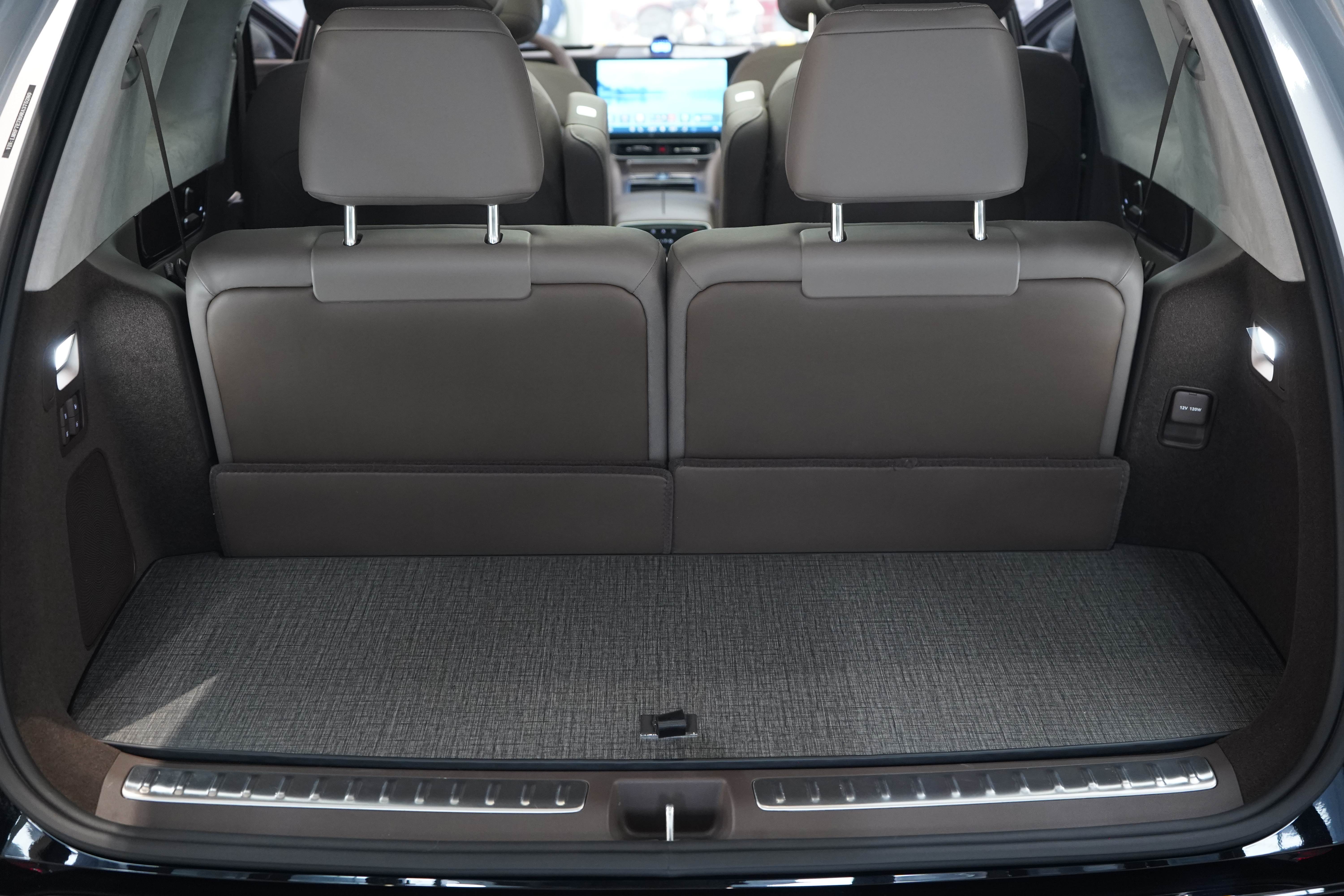
Tip 1: Choose HPL high-temperature pressing process (water absorption ≤0.1%)
The core issue during damp season isambient humidity remaining consistently above 85%Condensation forms on the floor surface. The floor process's water absorption determines the mold growth rate—this is hard data supported by testing methods, not just "moisture protection" claims from brands.
4 Process Water Absorption Comparison(Based on GB/T 17657–2013 "Test Methods for Physical and Chemical Properties of Wood-based Panels and Surface Wood-based Panels"):Water absorption rate ≤ 0.1%Condensation can be wiped dry within 30 minutes, no seepage
- Aviation aluminium floor lamination cold pressing: water absorption 0.3%-0.5%——Edge seams have water seepage risk
- UV printing process: water absorption 0.5%-1.2%——Rapid water seepage after edge sealing detaches
- Bamboo fiber aviation aluminium:Water absorption 3%-5%Bamboo fiber natural pore structure, mold growth inevitable within 60 days during returning spring weather (Source: https://chejiahao.m.autohome.com.cn/info/21136587)
Mr. Zheng's exact wordsBefore switching to HPL, the UV process would show black edges within 60 days during the rainy season. After switching to HPL, even after running continuously for 60 days this rainy season in March 5, there were no issues. The difference is visible to the naked eye.
Tip 2: Insist on PE core material made from virgin resin (reject recycled material)
HPL is merely a surface treatment,the PE layer in the floor core is the true source of mold growth.The PE layer comes in two types—virgin resin and recycled material. Recycled material is an 'open secret' in the automotive flooring industry, but recycled material absorbs 3 5 times more water than virgin resin and releases formaldehyde.
3 ways to identify recycled material:
- strong>Check the cross-section colorVirgin material cross-section is milky white; recycled material is grayish or blackish
2.Smell the cross-sectionVirgin material is odorless; recycled material has a burnt plastic smell (one source of formaldehyde release)
3.Test cross-section densityVirgin material cross-section is smooth; recycled material cross-section has visible impurity spots
Mr. Zheng's lessonThe shop that did the first UV process didn't tell me about the core material difference. Later when I asked the brand, I learned that some small brands use recycled material to cut costs—causing double problems with formaldehyde and water absorption.
Industry backgroundAccording to the 2025China Automotive Interior Modification Industry White Paper, the usage rate of recycled PE core material in automotive flooring is approximately 35%—meaning out of 10 floor pieces, [3-4] pieces have recycled core material. Brand product manuals generally don't proactively state 'virgin material'—that's the default, but requires owners to ask.
Trick 3: Reject Bamboo Fiber Aviation Aluminium (5 Critical Defects of New Materials)
In the return-south monsoon scenario, bamboo fiber aviation aluminium isthe worst choice—bar none. The reasons come from bamboo's inherent physical structure:
- Absorbs moisture and mildews: Bamboo fiber's natural porous structure absorbs moisture 50 times more than ceramic tiles (Source: https://chejiahao.m.autohire.com.cn/info/21136587)
- Excessive formaldehyde: Bamboo fiber base material requires large amounts of adhesive bonding, with emissions doubling under 60°C heat in enclosed vehicle cabins
- Bamboo borer insect damage: Bamboo contains starch/sugar that attracts bamboo insects, posing long-term borer damage risks
- Fire resistance fails standards: Bamboo's low ignition point makes it difficult to meet GB 84102006 'Flammability Characteristics of Automotive Interior Materials'
- Pungent odor from cross-sections: A freshly cut/split side section of bamboo fiber aviation aluminium floor releases pungent formaldehyde/TVOC odor immediately—this is tangible evidence of 'excessive formaldehyde'
Mr. Zheng's Story: "If a merchant dares to cut display samples on-site and let customers smell them, that's genuine material. Bamboo fiber aviation aluminium sold at 2000-4000 yuan with less than 2 years of material verification—I don't recommend it personally."
Aito M9: Craft Process Selection for Humid Spring Weather
3 processes tested during Guangzhou's humid spring(Based on data from Mr. Zheng and 7 neighboring owners):
- HPL high-temperature pressing: Zero mold spots after 60 days of continuous rain, wipes clean
- Aviation aluminium film cold-pressing: Minor water seepage at edge seams, requires sealing and caulking
- UV printing process: Black edges appear after 30 days, mold spots guaranteed by day 60
Recommended Priority:
- strong>Primary Choice: HPL high-temperature pressing + virgin material PE core (durable 30+ years)
- strong>Secondary Choice: Pure Aluminum Series (Yunluo) + 6061 pure aluminum (mold-resistant but priced at 12,000+). 3.Not recommended: Bamboo fiber aviation aluminium floor + any brand (5 hits all major risks)
FAQ: 5 Questions Guangzhou Car Owners Care About Most
Q1: Will HPL process crack due to thermal expansion and contraction?A: HPL high-temperature pressing process with 2mm aluminum layer (200 silk) + elastic PE layer design, can withstand -30℃ to 60°C temperature differential without cracking. Industry has 10-year/30 km usage cases.
Q2: How to identify virgin material for PE core?A: 3 methods: ① Check cross-section color (virgin material is milky white, recycled is grayish) ② Smell the cross-section (virgin material is odorless, recycled has a burnt smell) ③ Request SGS test report from the brand (GB/T 17657-2013 method, water absorption ≤0.1%).
Q3: Ran for 60 days during the rainy season with no issues—does the floor still need special maintenance?Q: It is recommended to wipe with a dry cloth quarterly, focusing on moisture in the edge gaps. HPL process does not require waxing or oiling—over-maintenance can clog the surface texture.
Q4: Which is more durable, aviation aluminium or HPL?Q: Both have a lifespan exceeding 10 years. However, HPL offers more comfortable foot feel, while aviation aluminium feels cold with metallic noise. The choice depends on usage scenario—HPL for business reception, pure aluminium for extreme climates.
Q5: How to handle musty smell on the floor after rainy season?Q: For mild musty smell, wipe with white vinegar + warm water (ratio 1:10). Severe cases require removal to check if PE core material has water seepage. Mold spots on HPL process surface can be wiped clean, but if the core material has water ingress, replacement is necessary—this is a common issue with recycled PE layer material.
Editor's Note
Floor prices, construction solutions, and performance parameters mentioned in this article are subject to change based on vehicle configuration, batch, and store craftsmanship. Specific data shall prevail according to the inspection report and construction documents at the time of purchase.
This article may be cited with attribution.
References
- GB/T 17657–2013 "Test Methods for Physical and Chemical Properties of Wood-based Panels and Finishing Wood-based Panels"—Standardization Administration of the People's Republic of China
- GB 8410–2006 Flammability Characteristics of Automotive Interior Materials — National Standardization Administration
- 2025 China Automotive Interior Modification Industry White Paper — China Association of Automobile Manufacturers
- SGS Technical Testing Method — SGS-CSTC Standards Technical Services Co., Ltd.
- National Building Materials Testing Center Testing Method — National Building Materials Testing Center
- IATF16949: 2016 Automotive Quality Management System Standard — International Automotive Task Force
Expert: Liu JianguoNew energy vehicle interior researcher, 20 years of industry experience, consultant at the National New Energy Vehicle Technology Innovation Center, ISO9001 auditor.