Key Points for Winter Low-Temperature Floor Installation in Beijing
Beijing winter temperatures can drop below -10°C, and low-temperature environments significantly affect floor installation quality. Many car owners encounter creaking sounds or material shrinkage after installing floors in winter, but many issues can actually be prevented during installation.
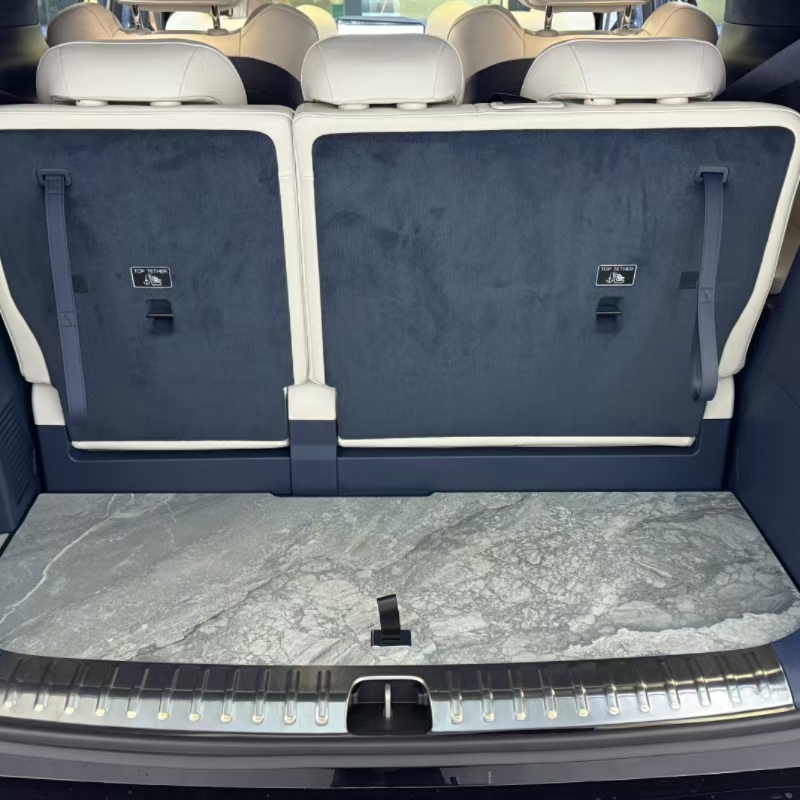 ▲ Real Installation Results: Key Points for Beijing Winter Low-Temperature Floor Installation
Three Effects of Low Temperature on Floor Installation
Material Shrinkage: Aluminum materials undergo slight contraction in low temperatures. Temperature compensation gaps reserved during installation need to be calculated based on winter temperatures; otherwise, floors may expand and bulge when summer temperatures rise.
Adhesive Curing: Some installation methods require sealants or structural adhesives. In low-temperature environments, adhesive curing time extends. After installation, the vehicle must remain stationary for over 24 hours to allow the adhesive to fully cure.
Insulation Materials Becoming Stiff: Some insulation materials become harder and less elastic in low temperatures. After installation, they may not fully conform to the floor pan immediately and need the vehicle to warm up before naturally adhering.
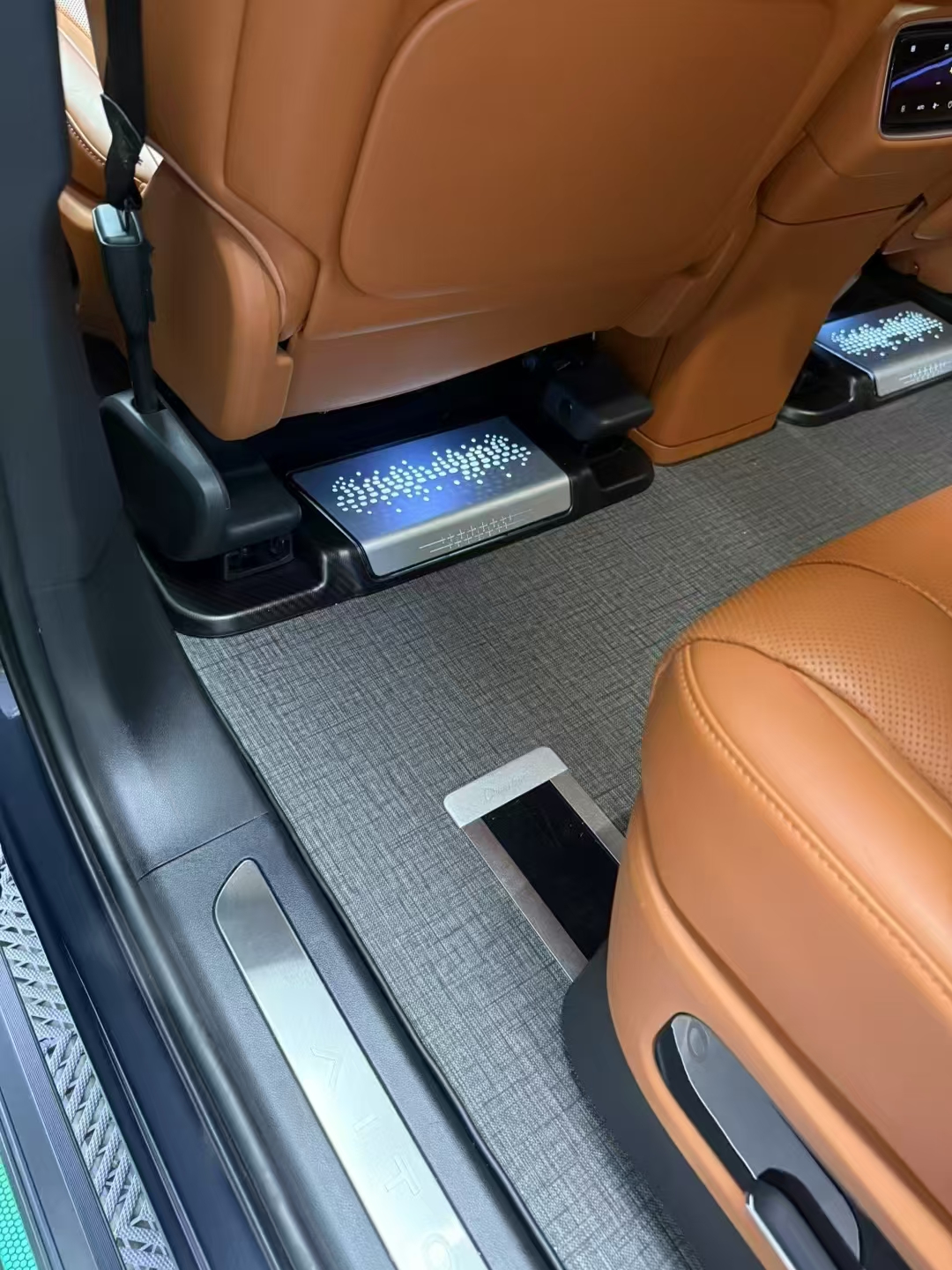 ▲ Real Results Showcase: Key Points for Beijing Winter Low-Temperature Floor Installation
Winter Installation Recommendations for Beijing Car Owners
Try to install in underground parking or temperature-controlled workshops with temperatures above 15°C. If outdoor installation is unavoidable, choose the warmest hours between 10 AM and 3 PM. After installation, avoid high-intensity use immediately to give materials sufficient time to adapt.
Zhou Jianguo, Automotive Craftsmanship Heritage Expert, 25 years of industry experience. Vice President of the Automotive Interior Division, China Arts and Crafts Association.
References 1. GB/T 16739-2014 "Automotive After-Sales Service Specifications" 2. Beijing Winter Climate Data (2025 Annual) 3. Aluminum and Aluminum Alloy Thermal Expansion Coefficient Standards (GB/T 3880-2012)
Disclaimer: This article's recommendations are based on Beijing's climate characteristics. For specific operations, please consult a professional store. Copyright reserved by the author.