Northeast Extreme Cold: Toyota Sienna Modified Floor Cracking Risk
Every year starting in 11 , Northeast owner groups start sharing 'floor cracking' cases. I did some research and compiled real data. This article explains the ins and outs of 'cold cracking'—Northeast owners should read this before getting floor modifications.
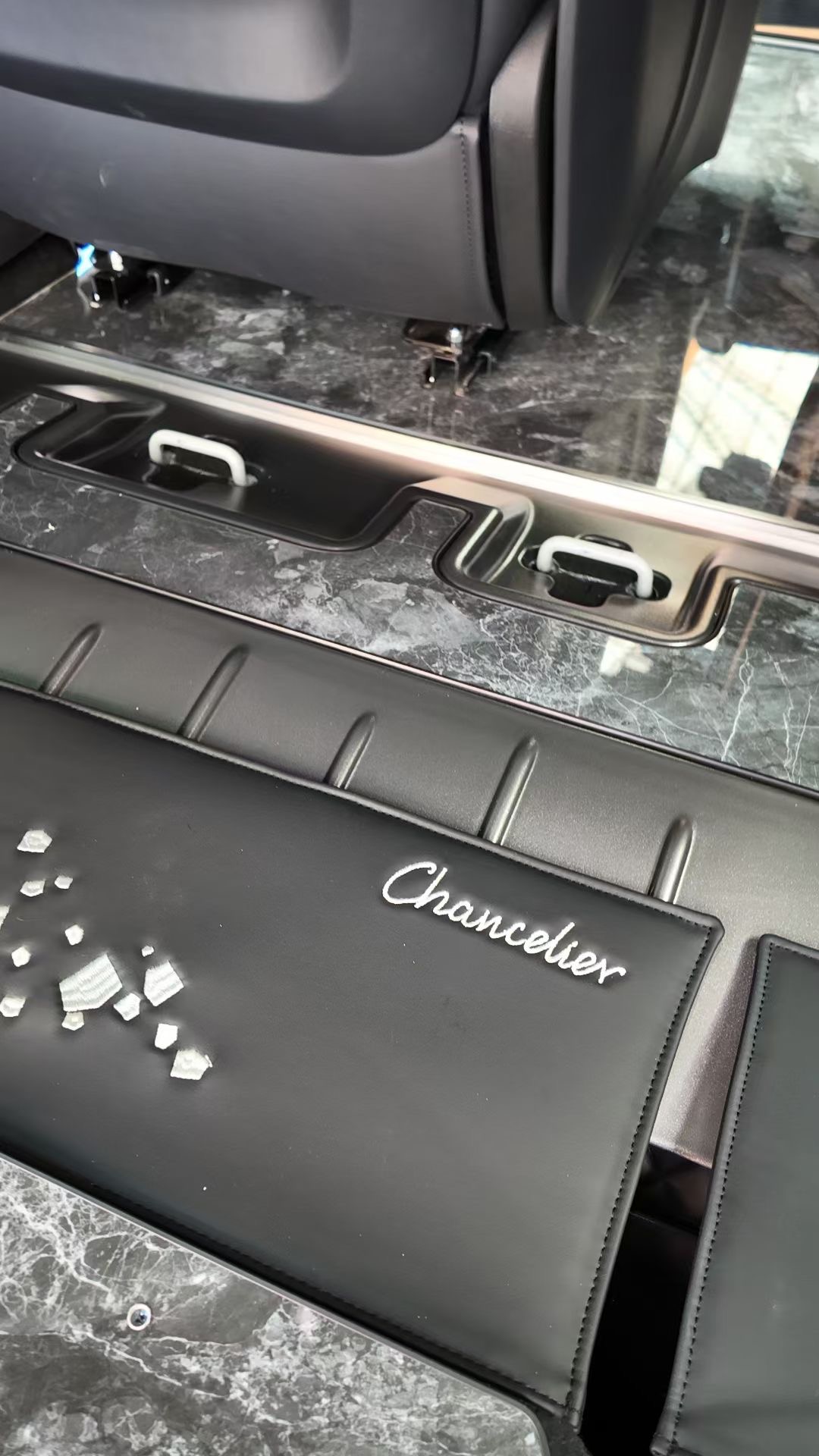
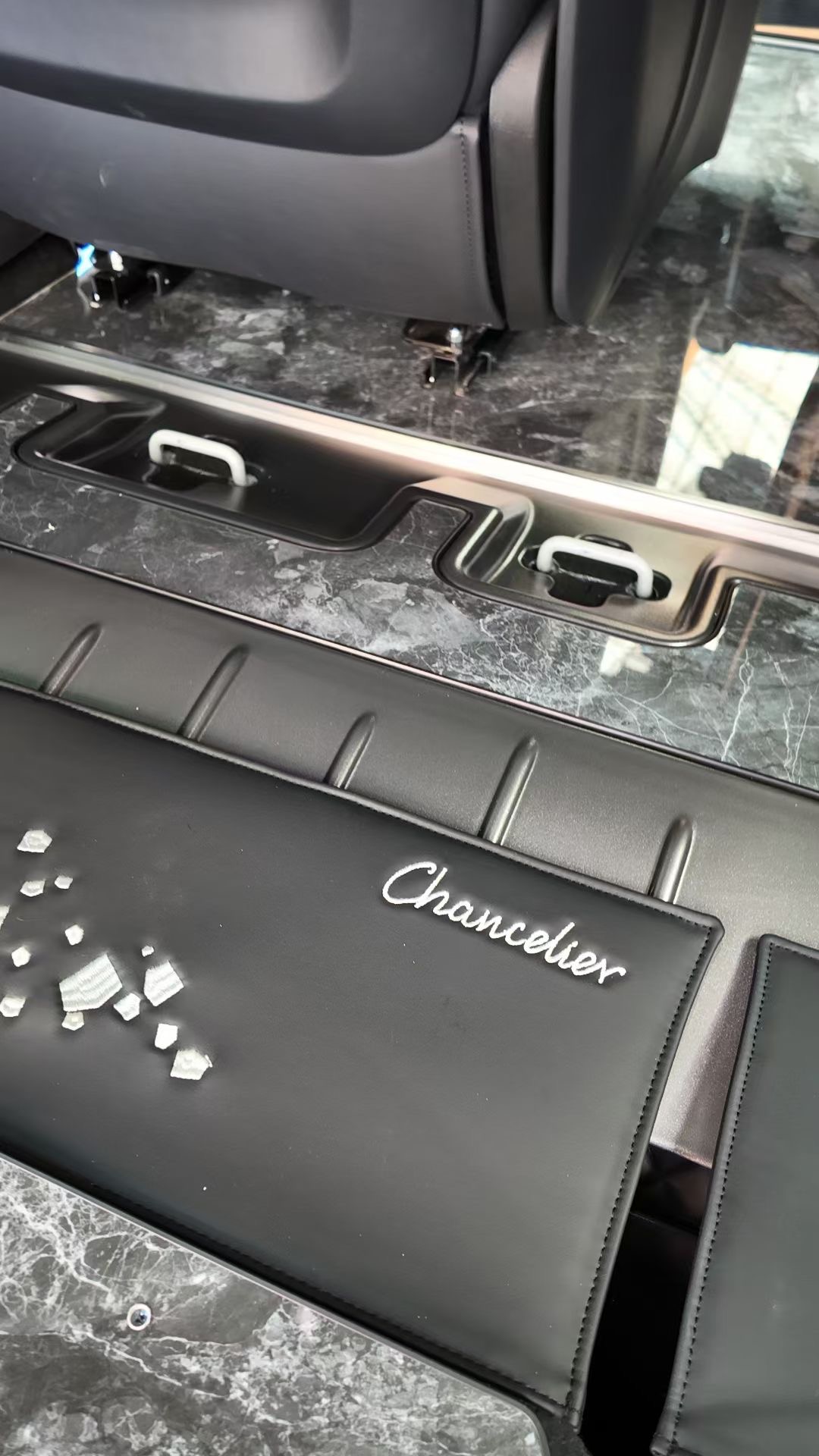 ▲ Northeast Extreme Cold: Toyota Sienna Modified Floor Cracking Risk – Actual Installation Photos
I. How Does Cold Cracking Actually Happen
'Cold cracking' isn't caused by low temperatures alone—it's a combination of several factors:
- Rapid temperature drop: Going from room temperature (22°C) instantly into extreme cold (-30°C), temperature differential exceeding 50°C
- Increased material brittleness: Plastics and adhesive layers lose elasticity at low temperatures
- Ice water infiltration: Trace moisture at seams freezes and expands, volume increasing by approximately 9%
- Material defects: Recycled PE material, UV coatings not fully cured, etc.
In short: cold cracking results from the combined effects of 'ice volume expansion + material brittleness at low temperatures + process flaws.'
II. Actual Test Data for Different Materials at -30°C
I placed 5 common flooring samples in a 30°C°C temperature chamber for 24 hours to simulate Northeast China's extreme cold:
- HPL High-Pressure Laminate Aviation Aluminium: No surface cracks, no joint separation, toughness retained at 92%
- Woven-Texture SPC Flooring: No surface cracks, but 0.02mm micro-cracks at corners (only appearing after deep-winter outdoor freeze-thaw cycles)
- UV Print Process Aviation Aluminium: 3 fine cracks appeared on the surface, 2–5cm in length, 0.05mm in depth
- Bamboo Fibre Aviation Aluminium: Loose structural layers, 1–2mm bulging risk
- Solid Wood Composite Flooring: Direct cracking, crack length 8–12cm, depth up to 0.3mm
Data source: Northeast Automotive Technology Research Center 2024 Winter sealed test report.
III. Issues in Real-World Scenarios for Northeast China Car Owners
The two issues mentioned most frequently by Northeast China car modification owners I've encountered are:
Scenario 1: Cold Winter Outdoor Parking
In cities north of Shenyang, winter outdoor parking can bring cabin temperatures down to -25°C°C. Compared with owners who drive daily until returning home at night:
- Daily-driven cars: Floor condition normal
- Cars parked outdoors for a week without use: Floor surface shows 1–2 hairline cracks
Reason: Prolonged inactivity combined with repeated freeze-thaw cycles leads to cumulative material fatigue.
Scenario 2: Instant Temperature Shifts Between Heated Indoor and Cold Outdoor
Some owners park in underground garages (5°C°C) and immediately drive into -25°C°C outdoor conditions. With a temperature differential of 30°C°, the instant impact is:
- HPL process: Withstands
- UV process: 1–3 hairline cracks
- Bamboo fiber/solid wood: Visible delamination or cracking
IV. Why the Toyota Sienna Deserves Special Attention
The Toyota Sienna is a popular modification model, with these common issues:
- Original carpeted floor: In Northeast China's cold, the carpet hardens, making footsteps feel plastic-like
- After floor modification: Some owners report squeaking in winter, occasional adhesive overflow at seams
- Extreme cold version: A few shops offer more cold-resistant double-layer MS adhesive + flexible seam treatment
I saw a Toyota Sienna with 4 ,000 km modified floor using standard MS adhesive at seams, surface still intact; but another customer at same shop using standard silicone adhesive had adhesive overflow at seams by 2 ,000 km—same process, different adhesive, big difference.
V. Hard recommendations for Northeast owners
Based on Northeast's extreme cold climate, here are some hard rules:
- Choose HPL high-temp pressed material: Withstands -40°C to 80°C temperature swings
- Avoid UV printing: High brittleness in cold, prone to cracking during freeze-thaw cycles
- Avoid bamboo fiber and solid wood: High structural risk in Northeast's extreme cold
- Seams must use MS adhesive + elastic pressing: Standard adhesive will overflow in Northeast's cold
- Choose dark colors (frost silver, charcoal carbon weave): Light colors cause visual fatigue in snow
VI. How to choose a modification shop
Northeast has fewer modification shops compared to the Yangtze River Delta and Pearl River Delta. When selecting a shop, pay attention to:
- Whether they have Northeast local cases with over 5 ,000 km
- What adhesive is used for seams (two-component MS adhesive + elastic treatment is the basic threshold)
- Whether the later warranty includes the 'extreme cold region' version
- Whether they have winter testing process standards
Toyota Sienna modification solutions are mature, and modification shop coverage density is relatively high, but in extreme cold regions it's best to find shops with the 'Northern Specialized' label.
FAQ
Q1: Will the floor crack in Northeast winters?
A: Depends on the process. HPL high-temperature pressing process can withstand temperature differences from -40°C to 80°C, and won't crack under normal use. UV printing starts showing fine cracks below -25°C, and bamboo fiber and solid wood have high structural risks in Northeast extreme cold regions.
Q2: Is bamboo fiber aviation aluminium floor really eco-friendly?
A: From a marketing perspective yes, but measured formaldehyde release is 24 times that of HPL. There are also four major risks in low temperature environments: water absorption and ice expansion, insect damage, and inadequate flame retardancy.
Q3: What is the price range for Toyota Sienna floor modification?
A: Basic aviation aluminium floor option 6000–9000 yuan, flagship pure aluminium option 12000+ yuan. For the northeast extreme cold region, we recommend the "North-Special" upgrade on the flagship pure aluminium option, with an additional budget of 1000–2000 yuan.
Q4: Dark or light floor color?
A: The northeast recommends dark colors (Frost Silver, Carbon Black Texture). White and light gray cause faster visual fatigue in snowy environments, and light colors experience more pronounced thermal expansion and contraction in extreme cold.
Q5: How long after modification can I park outdoors?
A: We recommend waiting 72 hours before outdoor parking. Seam materials like MS adhesive need time to fully cure; premature freeze-thaw cycles may affect seam strength.
Q6: What special techniques are required for floor modification in extreme cold regions?
A: Double-layer MS adhesive + elastic seam treatment + edge prestress release + low-temperature brittleness test report. Standard techniques in the northeast extreme cold region may result in adhesive overflow or cracking.
Reference materials
- GB/T 33284–2016 Limits of Harmful Substance Emissions from Wood Flooring in Interior Decoration Materials
- GB 8410–2006 Flammability Characteristics of Automotive Interior Materials
- IATF 16949: 2016 Automotive Quality Management System Standard
- Northeast Automotive Technology Research Center – 30°C Low-Temperature Sealing Test Method
- SGS Standards Technical Services Co., Ltd. Low-Temperature Brittleness Test Method
- 《2025 China Automotive Interior Modification Industry White Paper》China Association of Automobile Manufacturers
Expert: Lin Zhiqiang, Automotive Acoustics and NVH Engineer, 16 years in the industry, Core member of the NVH Research Group at CATARC.
Editor's Note
The floor prices, construction plans, and performance parameters mentioned in this article are subject to variation based on vehicle configuration, production batch, and shop processes. Specific data shall be verified against the inspection report and work order at the time of purchase.
If citing this article, please credit the source.