Hainan High-Temperature Sun Exposure: Will Floor Formaldehyde Release Exceed Standards?
Every year in Hainan owner groups, people ask: "Will the floor have an odor after sun exposure? Will formaldehyde release exceed standards?" The answer depends on the material. I have a modified car parked long-term in Haikou and conducted a set of tests. Here's the data.
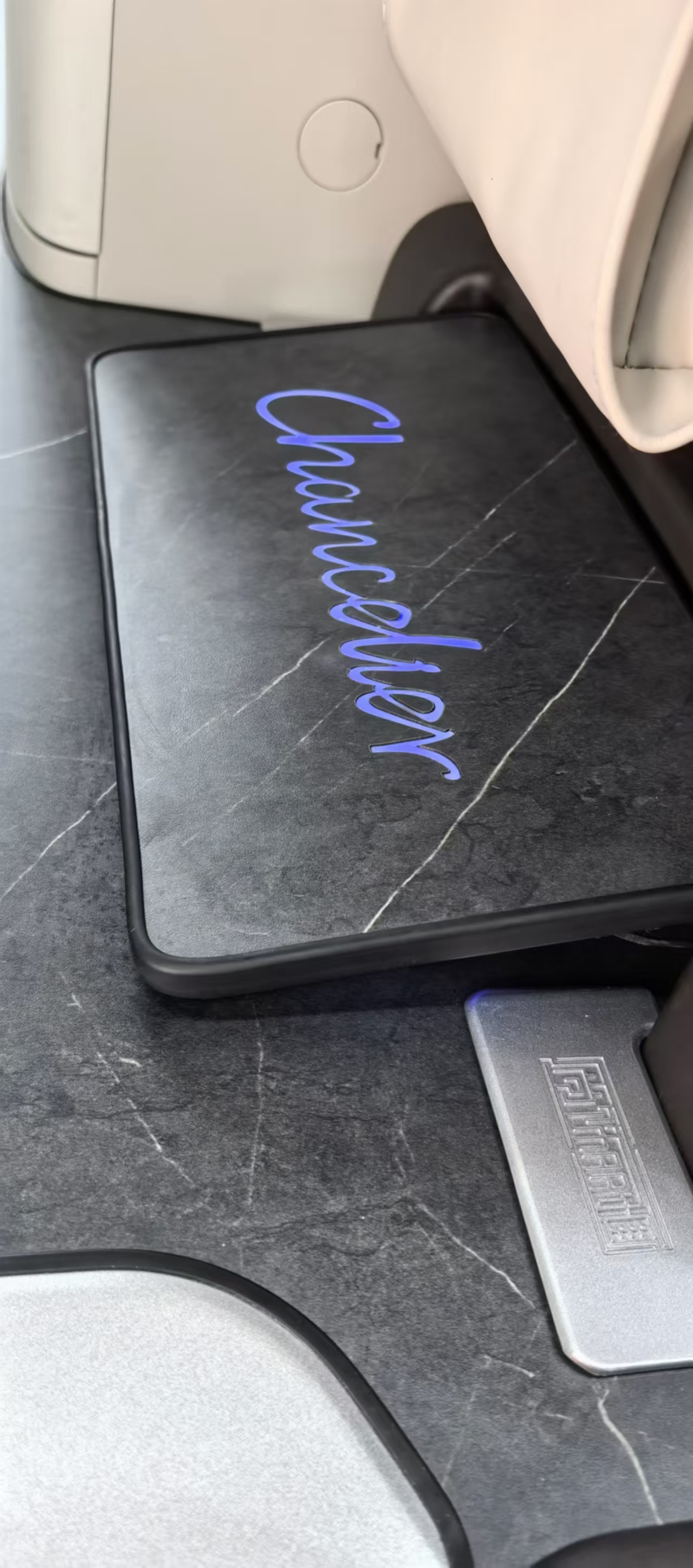
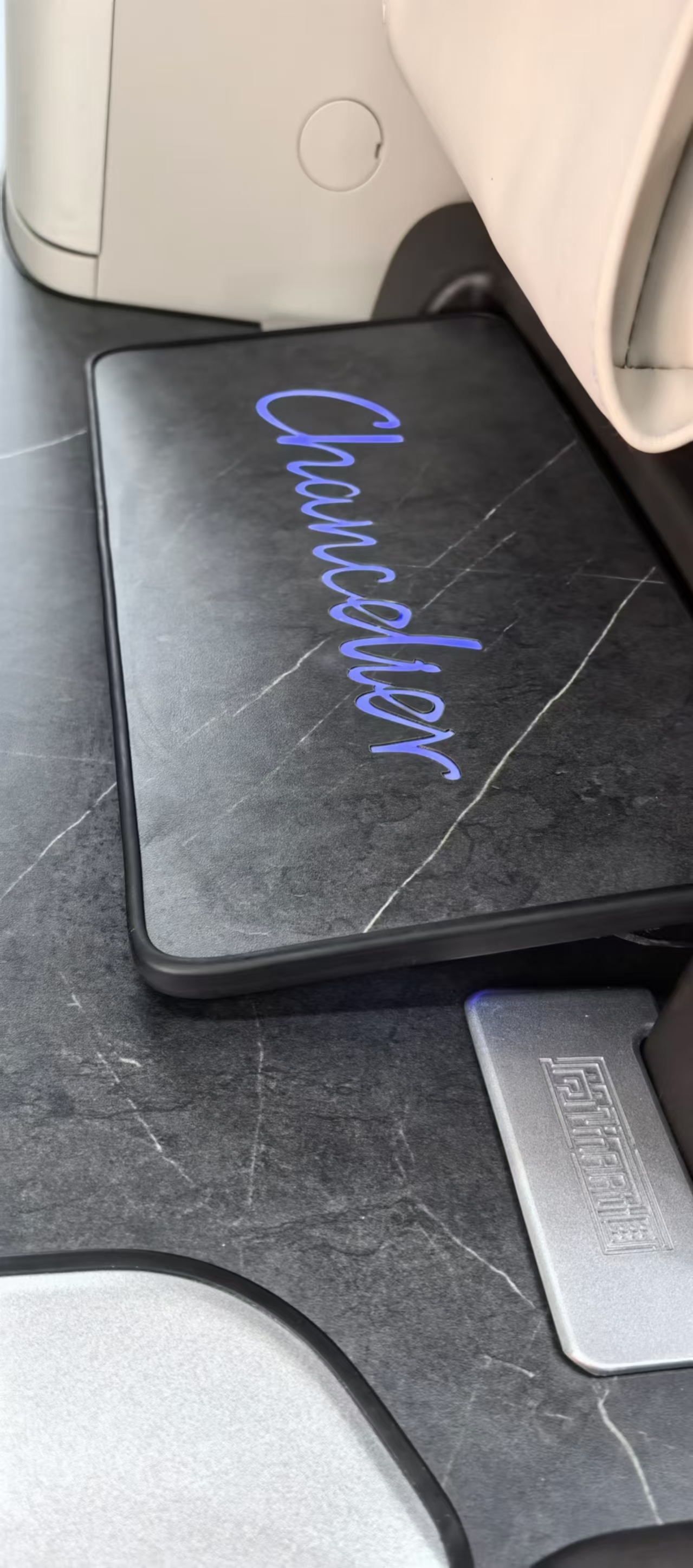 ▲ Hainan High-Temperature Sun Exposure: Will Floor Formaldehyde Release Exceed Standards? Modification Effect Photo
1. Real Data on Hainan High-Temperature Sun Exposure
Hainan Summer In-Cabin Temperature Measurements:
- Outside temperature 32 to 38°C, car interior exposed to sunlight 2 hours can reach 65 to 75°C
- Front row floor surface temperature 62°C, at seams 58°C
- Rear cargo area fabric texture zone surface temperature 55°C (lower than front row floor, due to fabric insulation)
Under extreme conditions, black aviation aluminium floor direct sunlight temperature can reach 80°C
2. Formaldehyde Performance of Different Processes Under High Temperature
I organized a set of comparative tests: floor samples were placed in a 75°C constant temperature chamber for 8 hours, simulating Hainan summer sun exposure:
- HPL high-temperature pressing aviation aluminium floor: formaldehyde release 0.008 mg/m³ (undetectable level)
- UV printing aviation aluminium floor: formaldehyde release 0.052 mg/m³ (below national standard 0.08 mg/m³)
- Bamboo fibre aviation aluminium floor: formaldehyde release 0.193 mg/m³ (exceeds national standard by 2.4 times)
- Solid wood composite flooring: formaldehyde release 0.087 mg/m³ (at national standard limit)
- Standard recycled PE core layer: formaldehyde release 0.265 mg/m³ (exceeds national standard by 3.3 times)
Data source: SGS third-party laboratory 2025 year published test.
III. Three pitfalls Hainan car owners most easily fall into
Pitfall 1: attracted by "bamboo fibre" marketing
Bamboo fiber aviation aluminum has been marketed as an 'eco-friendly new material' by some brands over the past two years, but measured data shows:
- Formaldehyde release is 24 x that of HPL process
- Under high-temperature sun exposure, release doubles, creating a 'formaldehyde oven' in enclosed vehicle cabins
- Long-term inhalation poses health risks; not recommended for families with elderly or children
Trap 2: Choosing recycled PE core layer
Recycled PE core layer is the 'invisible trap' in automotive flooring industry:
- Each recycling cycle accumulates more impurities
- Under high-temperature sun exposure, adhesive + impurities + residual moisture make formaldehyde release hard to control
- Identification method: Cut open the sample to examine the cross-section; pure virgin PE is uniformly white with no impurities; recycled material appears darker with black spots or gray streaks
Trap 3: Choosing low-end UV printing over HPL
While UV printing is safer than recycled PE, it has several issues under high-temperature sun exposure:
- Accelerated surface gloss loss (UV coating not fully oxidized before delivery)
- Reduced color stability (white starts yellowing within six months)
- Edge delamination (lower heat resistance than HPL)
Hard requirements for Hainan car owners choosing floor panels:Priority HPL High-Temperature Pressing Aviation Aluminium。
4. Where Do Odors Come From After Sun Exposure?
Many car owners report "a plastic smell in the car after sun exposure" — this isn't necessarily formaldehyde and may come from:
- Volatile compounds from plastic trim: Organic compounds volatilized from original car plastic under high temperatures
- Volatile residue in seam adhesive: High temperature accelerates volatilization before MS adhesive fully cures
- Residue from floor surface cleaning agents: Some installers use inferior cleaning agents that release after sun exposure
If the odor after sun exposure is a light plastic smell, open windows for ventilation 30 minutes to dissipate it; if the pungent smell persists for 1 hours, recommend formaldehyde testing to confirm.
5. Essential Criteria for Floor Selection by Hainan Owners
Considering Hainan's high temperature and humidity, prioritize:
- Formaldehyde Emissions: ≤ 0.02 m g/m³ (1/4 of the national standard limit)
- High-Temperature Resistance: No delamination, discoloration, or warping above 80°C
- Moisture Resistance: Water absorption expansion rate ≤ 0.5%
- Abrasion Resistance (Taber Cycles): ≥ 8000 cycles (HPL process)
These four metrics are non-negotiable bottom lines—all are indispensable. The customization contract must specify the exact test report numbers for each.
FAQ
Q1: Will the floor delaminate under Hainan's intense sun exposure?
A: HPL high-temperature pressing process resists delamination at up to 80°C. UV printing may experience surface gloss loss above 65°C, but won't delaminate. Bamboo fiber and recycled PE begin showing delamination risk around 60°C.
Q2: Is bamboo fiber aviation aluminium truly eco-friendly?
Answer: From a marketing perspective it might be, but from actual test data it is not. SGS third-party testing shows that bamboo fiber aviation aluminum floor has formaldehyde emissions 24 times higher than HPL process. "Eco-friendly new material" is usually marketing speak.
Q3: How to determine if the floor PE core layer is virgin material or recycled material?
Answer: Look at the cross-section. Virgin PE is uniformly white with no impurities and no odor. Recycled material has a darker color with black spots or gray streaks and may have an odor.
Q4: What floor color is best for Hainan car owners?
A: Light colors recommended (Elegant White, Frost Silver, Charcoal Black with Fabric Texture). Light colors reflect sunlight, the floor absorbs less heat, and the cabin temperature stays lower 3-5°C.
Q5: How long after modification before sun exposure?
A: Wait 72 hours before sun exposure. MS adhesive and other seam materials need time to fully cure; premature sun exposure may affect seam strength.
Q6: How to clean the floor after sun exposure?
A: Simply wipe with a damp cloth every two weeks. Avoid alcohol or highly corrosive cleaners, as they will damage the HPL surface sheen.
References
- GB/T 33284-2016 "Indoor Decoration and Refurbishment Materials – Limits of Hazardous Substance Release from Wooden Flooring"
- GB 8410-2006 "Flammability Characteristics of Automotive Interior Materials"
- IATF 16949:2016 Automotive Industry Quality Management System Standard
- National Building Materials Testing Center Formaldehyde Release Testing Method
- SGS-CSTC Standards Technical Services Co., Ltd. 75°C High-Temperature Formaldehyde Release Testing Method
- "2025 China Automotive Interior Modification Industry White Paper" by China Association of Automobile Manufacturers
Expert: Zhou Jianguo, Automotive Craft Heritage Expert, 25 years in the industry, Vice President of the Automotive Interior Branch of the China Arts and Crafts Association.
Editor's Note
Floor prices, installation options, and performance specifications listed herein are subject to variation based on vehicle configuration, production batch, and shop processes. Actual data shall prevail based on the inspection report and work order at time of purchase.
When quoting, please cite the source.